
Producing high-quality videos has traditionally required significant time, money and technical know-how. Recent advancements in AI video production have changed the equation, enabling visually appealing scenes with minimal input. Wan2.6 R2V is a significant advancement in this direction, focusing on workflows for referencing video that convert static references into multi-shot cinematic video sequences.
Instead of creating isolated clips, Wan2.6 R2V is designed to ensure narrative continuity. It focuses on smoother transitions between clips, consistent characters, and better audio-visual alignment. This is particularly relevant to creators who want cinematic results without the expense of traditional production pipelines.
This article will explore the features Wan2.6 R2V provides users, how it operates conceptually, and how reference-driven video generation is becoming an essential trend in contemporary media creation.
What is Wan2.6 R2V?
Wan2.6 R2V, an AI-based reference to a video system that is based on AI. Its “R2V” approach means that, instead of starting with text alone, filmmakers can direct the creation of video using visual references. These references could inform the appearance of characters, the composition of scenes, or the overall style of cinema.
The primary objective of Wan2.6 R2V is to help the characters “star” in AI-generated scenes. By tying generation to reference sources, this system helps reduce visual inconsistency and enables smoother storytelling across multiple scenes. This is especially important in cinematic films, where consistency and pacing significantly impact the viewer’s engagement.
How Japanese AI Creators Are Using WAN2.6?
Japanese AI developers are showing how WAN2.6 makes cinematic storytelling easier while maintaining an enviable level of creative control. Its key features include:
- Character-First Design: Creators define the characters before they are created and allow anyone to play the main character in AI-generated movies.
- Simple Language Prompting: Natural, simple language inputs are transformed into multi-shot storyboards, structured without manual shot planning.
- A strong Audio-Visual Synchronisation: Supports lip-syncing and multi-character sequences with closely aligned audio and visuals.
- One-Pass Generation of Video: Creates cinematic 1080p clips of approximately 15 seconds within one cycle, thus reducing the amount of iteration required.
- Single Prompt Complete Narration Output: The single request can produce the entire narrative flow, with a uniform visual style and an organised list of shots.
- Great for Short-Form Storytelling: Particularly well-suited for short films, picture books and other experimental narrative formats.
Why Reference-Driven Video Matters?
Pure video-to-text systems struggle to maintain consistency. Characters’ appearances can change during a shoot, environments can change unexpectedly, and the visual tone may shift. Reference-driven workflows deal with these issues by providing the model with an anchor in the visual.
In Wan2.6 R2V references serve as limitations rather than constraints. They help maintain video consistency while allowing creative variety. This makes it simpler to create videos that feel more deliberate than random, particularly for stories that span multiple scenes.
Wan2.6 R2V: Cinematic Multi-Shot Storytelling
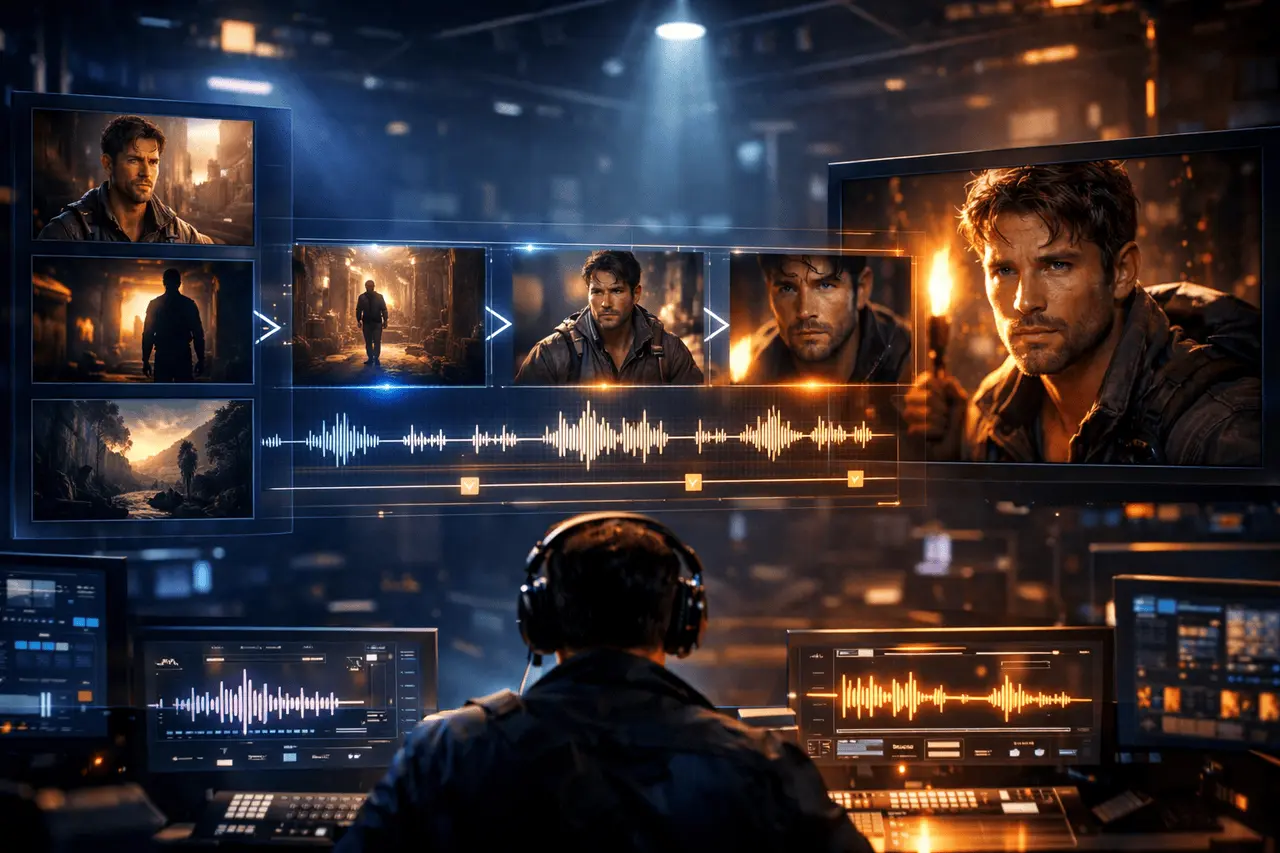
One of the most significant elements presented in Wan2.6 R2V is multi-shot storytelling. Instead of generating a single continuous video, the system focuses on creating sequences that resemble film editing.
Multi-shot storytelling lets creators:
- Create scenes by using large shots
- Shift focus using close-ups
- Create emotional pacing with shots that change
Wan2.6 R2V focuses on smoother transitions between these clips. This helps reduce sudden visual changes and maintain the flow of the story, making the AI-generated video feel more like professionally edited high-quality content.
Wan2.6 R2V: Character Consistency and Scene Presence
For narrative films, the characters are the primary focus. Wan2.6 R2V was created to ensure that characters are visually consistent while they traverse through various scenes. This is crucial when characters are intended to “star” in AI-generated sequences rather than being merely disposable elements.
With reference to this system, it can retain distinctive features such as facial structure, clothing style, and overall appearance. This allows you to create characters that are recognisable across many images and is crucial for telling stories, branding, and other short-form content.
Wan2.6 R2V: Richer Audio-Visual Synchronisation
Another critical aspect of Wan2.6 R2V is improved audio-visual sync. In cinematic films, the visual rhythm and audio cues must be aligned to achieve the desired effect. Inadequate synchronisation can cause immersion to be lost even if the visuals are spectacular.
Wan2.6 R2V is designed to improve the interaction between generated visuals and audio elements. This is accomplished by ensuring more precise timing between scene changes and audio modifications, resulting in a final output that feels more coherent and logical.
Wan2.6 R2V: Creative Control Without Heavy Tooling
Traditional workflows for cinema require complex software, multi-layered timelines and exceptional capabilities. Wan2.6 R2V is an easier alternative to automating some of these processes and still providing creativity through reference.
Creators can influence:
- Visual style using images of reference
- Narrative flow using multi-shot structure
- Consistency in the scene by ensuring consistent character guidelines
This method reduces barriers for marketers, filmmakers, and content creators seeking cinematic effects without having to master the complete production software.
Practical Use Cases for Wan2.6 R2V
1. Wan2.6 R2V’s Capabilities: Wan2.6 R2V make it useful across many domains:
2. Marketing Content: Companies may create promotional films in cinematic format, guided by brand or product reference.
3. Short Films and Storytelling: Individual creators can craft scenes and narratives quickly.
4. Concept Visualisation: Directors and designers can visualise scenes before deciding to proceed to full production.
5. Media that is Digital and Social: A few films with regular characters can make a splash in feeds with a lot of content.
In every case, reference-to-video generation helps ensure clarity and consistency, which are often absent in purely generative workflows.
How Wan2.6 R2V is Integrated in the AI Video Landscape?
AI software for video is rapidly developing; however, not all of it is designed to tell stories. Wan2.6 R2V’s focus on reference multi-shot flow, references, and audio-visual alignment reflects an overall shift towards storytelling-first technology.
Instead of focusing exclusively on novelty, this method is geared towards structure and watchability. As viewers become more comfortable with AI-generated content, the raw visual experience is less important than it was.
Wan2.6 R2V: Limitations and Considerations
While Wan2.6 R2V has clear advantages, it is crucial to address AI video generation realistically. Reference-driven systems rely on the high quality of the input reference and the prompts. Uncertain or unclear references may cause more unpredictable outcomes.
In addition, AI-generated cinematic content could require human oversight and enhancement, particularly for commercial or professional use. Understanding the boundaries of these tools enables creators to integrate tools like Wan2.6 R2V into their workflows successfully.
Final Thoughts
Wan2.6 R2V is a significant advancement towards cinematic reference-driven AI video production. By focusing on multi-shot storytelling, character consistency, and more accurate audio-visual synchronisation, it addresses several of the most enduring issues in AI video creation.
If you are a creator who wants to transcend isolated clips and explore storytelling video, Wan2.6 R2V is an exciting direction. As workflows based on reference development emerge, tools like these are likely to be a significant component of the next generation of storytelling using digital technology.
Frequently Asked Questions
1. What is the meaning of R2V What does R2V mean in Wan2.6 R2V?
R2V is a reference-to-video acronym. It signifies that the system utilises images to aid in creating video, improving its consistency and cinematic quality.
2. Can Wan2.6 R2V create multi-scene videos?
Yes. One of its main advantages is its smoother multi-shot storytelling. It allows creators to create sequences that appear organised and follow a narrative.
3. How can Wan2.6 R2V aid in ensuring character coherence?
Using reference sources, the technology maintains consistency across videos, making characters look stable and recognisable.
4. Is Wan2.6 R2V appropriate as a professional project?
It’s beneficial for the development of concepts for marketing content, concept development, and creative testing. Professional outputs will likely require human tweaking.
5. Does Wan2.6 R2V handle audio-visual alignment?
Yes. The improved audio-visual synchronisation has been a clear focus, making audio and visual transitions feel more unified.
6. Who is the most benefited who most Wan2.6 R2V?
Content creators, designers, marketers, and storytellers who want cinematic AI without complex production pipelines could benefit most from this strategy.