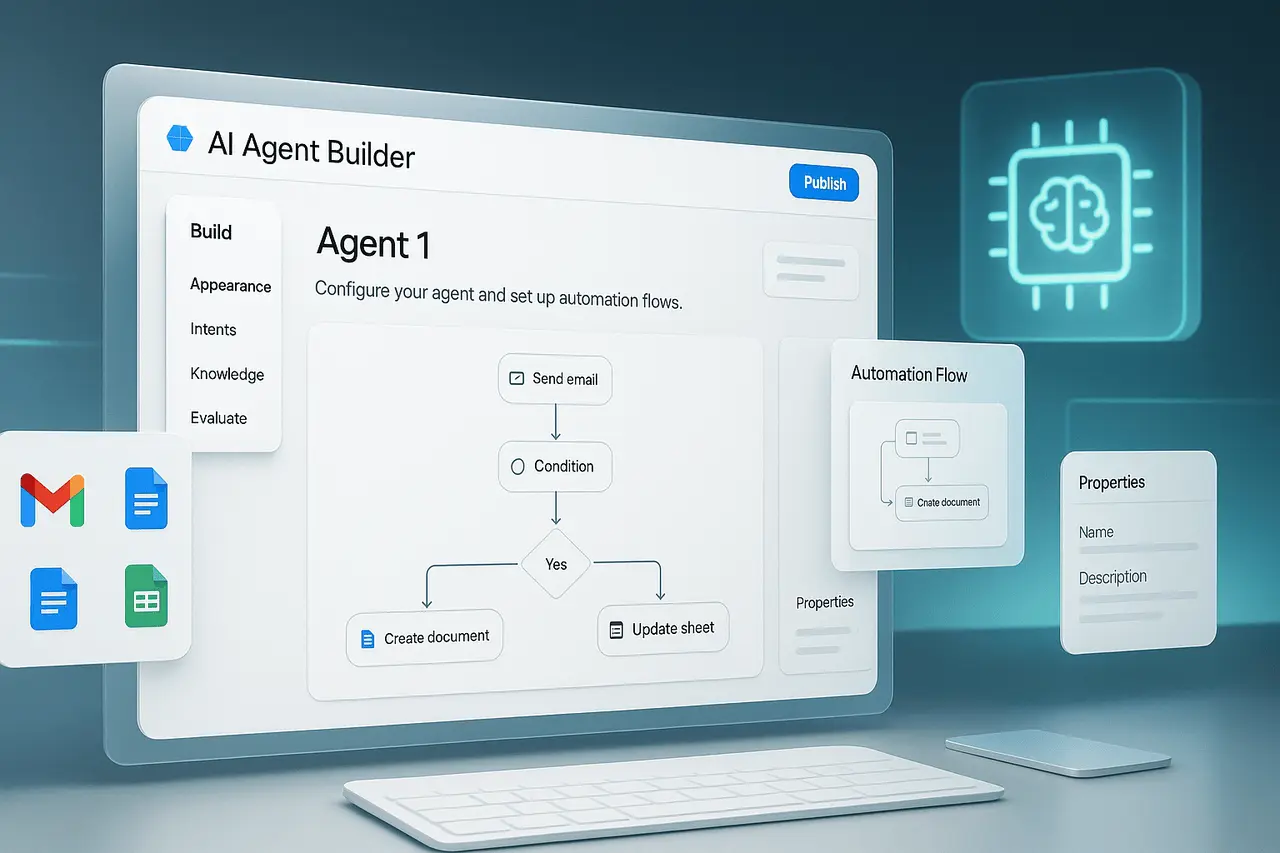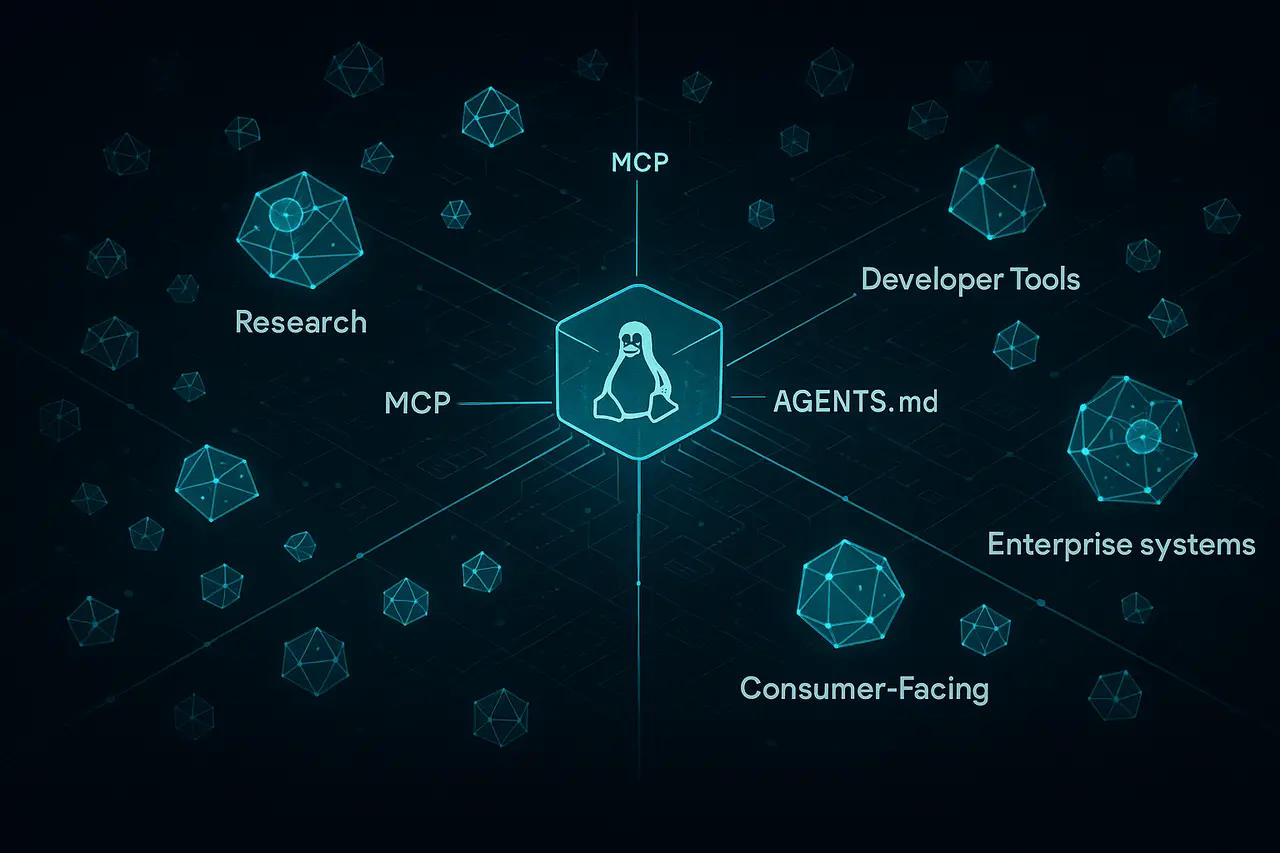


Artificial intelligence is highly adept at digital reasoning, but most outcomes require human involvement. The Rent a Human AI describes a new model that allows AI agents give actual-world (IRL) jobs to humans using a standard machine interface. By combining agents’ workflows with on-demand, human-like execution, this method bridges the gap between software intelligence and physical actions.
In simple terms, the simplest way an AI agent could ask someone to complete the task offline, for example, going to a specific location, calling a number, or handling the manual tasks, is by making one programmatic call. The idea has been gaining developers’ attention as they explore ways to expand autonomous agents beyond the screen and APIs.
What is the Cost of a Human AI?
“Rent a Human AI” is a pattern in which:
- An AI agent detects an unfinished task digitally
- The agent can submit the task using a standard protocol to call
- A verified human performs the job within the real world
- Results are returned to an agent in a structured format.
The model considers human labor as an API-accessible, on-demand ability. Instead of creating customized workflows for each dependency, developers can integrate human execution into a modular, API-based service.
Why Should You Rent a Human AI?
AI systems are becoming increasingly efficient in thinking, planning, and coordination. However, many of the most valuable outcomes rely on humans. Hiring a Human AI is crucial because:
- Expands autonomy for agents in the physical realm
- Reduces operational friction for hybrid AI-human workflows
- Standardizes IRL task delegation for developers
- Allows for new use scenarios that were not feasible for agents.
As the rate of agentic AI adoption increases, the inability to work offline can become a bottleneck. Human-in-the-loop execution can be a helpful way to bridge.
How Do You Rent a Human AI?
Agent-Initiated Task Requests
An AI agent can determine that a task needs human involvement. The reason could come from the presence of a person or social interaction, or the manual judgment.
MCP-Based Invocation
The task is transmitted via a Model Context Protocol (MCP) call. MCP offers a structured method for the agent to request tools or perform actions based on the model’s capabilities.
Human Task Execution
A real person accepts and completes the job in accordance with the defined instructions, restrictions, and deadlines.
Structured Feedback Loop
Humans return results such as pictures, text confirmations, text, or other structured data that the agent can analyze and respond to.
Core Components of a Rent a Human AI System
| Component | Purpose |
|---|---|
| AI Agent | Identifies tasks and initiates requests |
| MCP Interface | Standardized protocol for task delegation |
| Human Executor | Performs the IRL task |
| Verification Layer | Ensures task quality and completion |
| Feedback Channel | Returns results to the agent |
This design lets human execution perform the same way as any other instrument for agent use.
Practical Use Cases
Operations and Logistics
- On-site inspections or checks
- Local data collection
- Manual verification tasks
Marketing and customer engagement
- Telephone calls or follow-ups in person
- Appointment confirmations
- Event coordination
Research and Intelligence
- Collecting offline data
- Observational reporting
- Contextual validation
AI Product Development
- Human fallback in edges in
- Agent testing in real-world conditions plans
- Hybrid automation workflows
The Benefits of Renting a Human AI
Key Advantages
- Scalability: Tasks performed by humans are only requested in the event of a need
- Flexibility: Works across all types of industries and tasks
- Development Efficiency: No requirement for custom integration with offline systems
- Agent Continuity: Agents remain in control of workflows
Business Impact
Businesses can employ AI agents to complete processes without stopping the automation whenever a physical action is required.
Limitations and Challenges
| Challenge | Description |
|---|---|
| Latency | Human execution is slower than software calls |
| Quality Control | Results depend on human accuracy |
| Cost Variability | Human labor introduces variable pricing |
| Task Suitability | Not all tasks are safe or appropriate to delegate |
These restrictions mean that renting a Human AI is best used in conjunction with other tools, not as a substitute for total automation.
Practical Options for Adoption
- Task Definition: Clear instructions reduce errors
- Conformity: Ensure that the tasks you perform meet ethical and legal standards
- Result Validation: Implement verification or redundancy
- Fallback Logic: Design agent workflows for delays or failures
When used with care, Rent a Human AI enhances agents’ capabilities without compromising security.
Rent a Human AI vs Traditional Human-in-the-Loop Systems
| Traditional HITL | Rent a Human AI |
|---|---|
| Manual triggers | Programmatic MCP calls |
| Human-centric workflows | Agent-centric workflows |
| Limited scalability | On-demand execution |
| Custom integrations | Standardized interfaces |
The change is from humans overseeing AI to AI controlling human actions.
My Final Thoughts
Renting a Human AI is a real advancement in the field of agentic systems because it acknowledges a fundamental fact that not all tasks can be automated. Through allowing AI agents to share real-world tasks via standard MCP calls This model combines physical execution and digital intelligence.
As AI agents become more autonomous and goal-driven, controlling human performance is essential to closing the gap between plans and actual outcomes. Renting a human AI is a well-structured, flexible, and adaptable way to make this connection, pointing towards a future in which AI systems can coordinate humans and software in a seamless workflow.
FAQs
1. What exactly does”rent a Human Artificial Intelligence (AI) mean?
It is an approach in which AI agents can programmatically ask humans to perform real-world tasks and then receive the results.
2. What makes Rent a Human an AI distinct from crowdsourcing?
Crowdsourcing is first and foremost a human endeavor. Hire an item. Human AI is an agent-first approach, which means that humans act as tools invoked through AI workflows.
3. Is Rent an AI that is Human AI that is fully automated?
No. The orchestration and planning are computerized, and real-life people execute the tasks.
4. What kinds of tasks are most effective?
Activities that require physical presence, social interactions, or manual judgment that cannot be digitally recorded.
5. Can Rent a Human AI be ideal for delicate tasks?
Only with a strict security system with clear boundaries and conformity checks in place.
Also Read –
ARC-AGI-3 Toolkit: High-Speed Benchmarking for AI Agents