Text-to-speech (TTS) technology has evolved quickly, moving from basic synthetic voices to advanced systems capable of natural, human-like speech in real time. One of the most recent developments in this area involves integrating MiniMax Voices into Retell AI, enhancing conversational AI with high-speed, multilingual voice synthesis.
This article explains MiniMax Voices on Retell AI, the implications of this integration for real-time applications, how the technologies function, and why it is essential for companies deploying automated voice.
What Are MiniMax Voices?
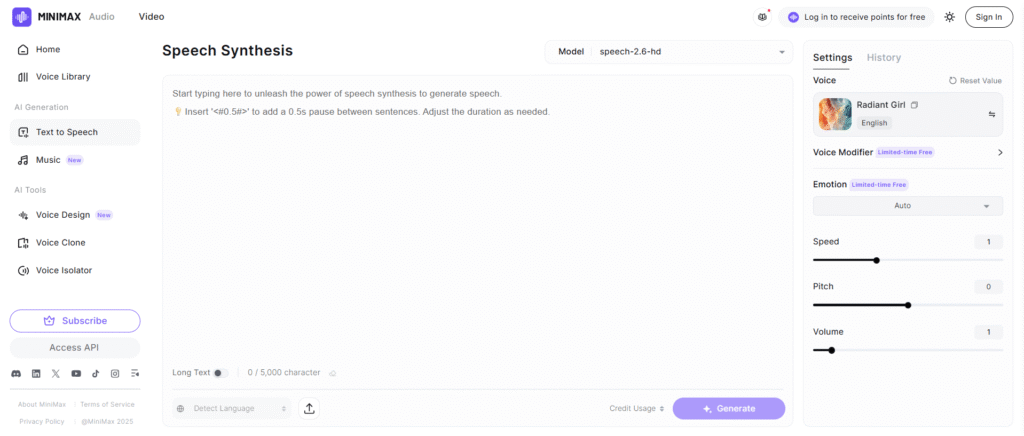
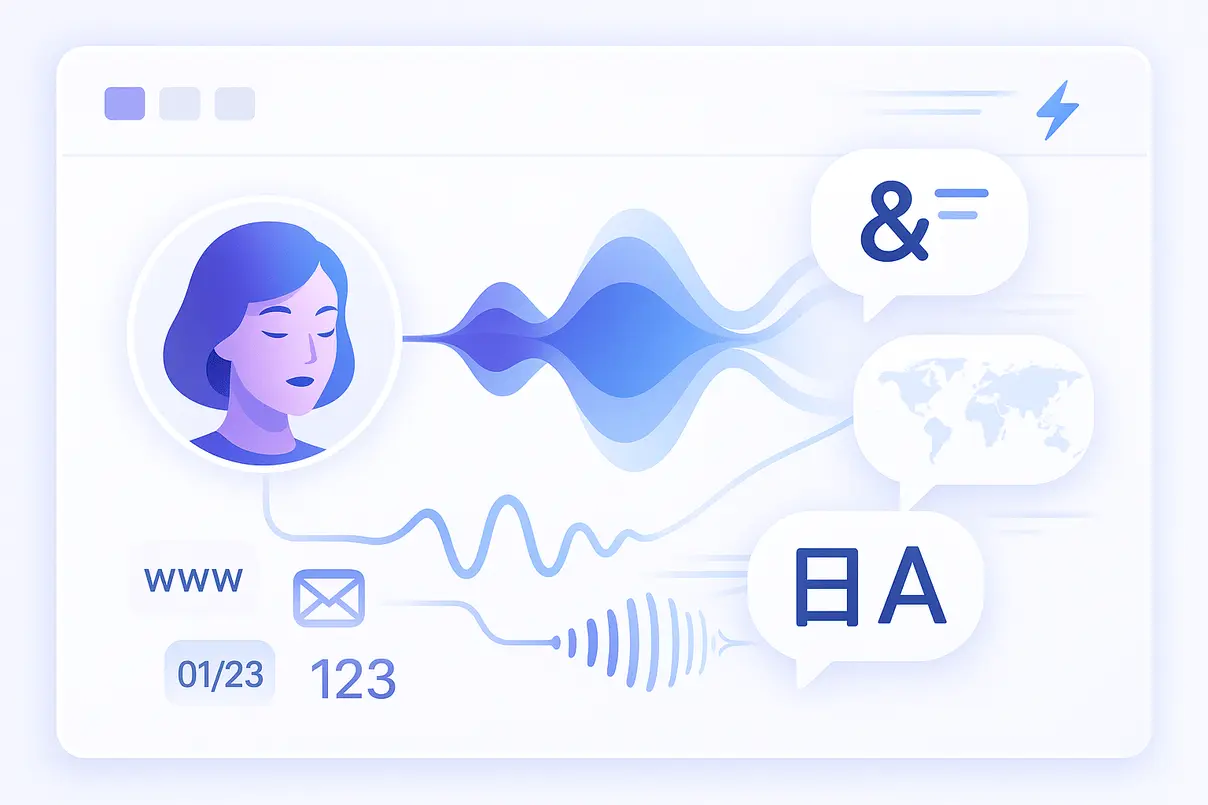
MiniMax Voices is the latest generation of text-to-speech models from MiniMax AI, optimized explicitly for real-time conversations. The models are part of the wider MiniMax Speech family, including the newly released MiniMax Speech 2.6, which offers high-quality, low-latency sound synthesis suitable for interactive apps such as live support assistants and voice agents. MiniMax’s engines can handle specific text formats, such as URLs, email addresses, dates, and numbers, and read them without the pre-processing usually required by conventional TTS systems.
MiniMax technology supports over 40 languages and offers a range of options for voice, allowing businesses and developers to create diverse voice experiences that appeal to global audiences.
Retell AI: An Enterprise Voice Agent Platform
Retell AI is an AI-powered platform designed to create, deploy, and monitor voice agents at scale. It enables companies to automate outbound and inbound calls, manage appointment scheduling, lead qualification, surveys, and customer service calls using artificial intelligence (AI) in conversation. Retell’s platform blends natural language understanding, real-time speech recognition, and text-to-speech synthesis to produce natural-sounding conversations.
The main features include support for multiple languages, real-time service with sub-second latency, compliance with SOC 2 and HIPAA/GDPR standards, and integrations with telephony, CRM, and automation solutions across industries.
What the MiniMax Integration Adds?
The introduction of MiniMax Voices for Retell AI increases the capabilities of Retell AI’s TTS platform in a variety of areas:
1. Ultra-Low Latency for Real-Time Interaction
One of the most distinctive aspects of MiniMax’s Speech models, especially Speech 2.6, is their end-to-end latency of less than 250 milliseconds. This is an important performance measure for agents that can communicate in real-time. Low latency means that responses appear instantaneous, which is crucial for natural turn-taking in conversations.
2. In-Context Text Normalization
Text normalization is the process of converting complex content such as email addresses, URLs, phone numbers, dates, and monetary values into natural-sounding equivalents. MiniMax’s smart text normalization eliminates the need for external processing and improves the clarity and quality of speech across various content types.
3. Multilingual and Voice Variety
With support for more than 40 languages and a variety of voice profiles accessible directly in Retell, companies can offer native and culturally relevant voice experiences. This feature is handy for businesses that are global or that cater to a variety of user groups.
4. Improved Voice Quality and Flexibility
Beyond normalization and latency, MiniMax’s models are built to produce natural, expressive speech. Using multiple voices lets you customize the sound to fit your brand image and increase user involvement in interactive situations.
Why This Matters for Conversational AI?
Conversational agents and voice AI have seen increased popularity as companies seek scalable ways to improve customer interactions. Traditional voice-based automation tools, such as Interactive Voice Response (IVR), rely on rigid, scripted pathways that frustrate users. However, modern AI voice agents can synthesize spoken messages in real time, handle free-form speech, and connect to business tools and APIs to automate tasks.
By combining MiniMax’s sophisticated TTS technology and Retell’s voice orchestration technology, companies can:
- Enhance User: Experience by delivering natural speech and quick responses, reducing uncomfortable pauses, and making the automated interface feel more natural.
- Global Scale: The support for multiple languages allows a single voice agent to manage conversations across multiple languages without compromising quality.
- Reduce Development Costs: Smart text normalization reduces the need for custom processing algorithms to handle technical formats.
- Support Cases for Enterprise Use: Integration and compliance with existing systems enable the use of enterprise-grade technology in industries such as healthcare and finance.
MiniMax Voices on Retell AI: Real-World Application Examples
Customer Support: AI voice agents can answer typical support queries, verify information, and direct callers promptly, reducing the load on human agents and improving response speed.
Lead and Sales Qualification: Voice AI can engage potential customers in live conversations, identify their interests, schedule appointments, and forward qualified leads to the sales team with minimal manual effort.
Appointment Scheduling: With natural voice interaction, systems can confirm or modify appointment details, send invitations to calendars, and even synchronize with backend systems regularly.
Outbound Campaigns: Automated calls at a scale, using localized voice and real-time response, help companies reach their customers regularly to remind them about updates, reminders, or other information.
These applications demonstrate the potential of voice agents for transformative real-time conversations within modern business workflows.
MiniMax Voices on Retell AI: Challenges and Considerations
While cutting-edge voice AI systems are a step ahead, they do encounter issues:
- Low Latency: Although modern TTS aims for 250 milliseconds, integrating across speech recognition, language understanding, and synthesis requires precise performance tuning.
- Context Handling: In real-time comprehension of the context of a conversation and the user’s intent is a significant goal to improve the accuracy of agents and the relevance of their responses.
- Security and Privacy: All deployments must comply with the privacy guidelines (GDPR, HIPAA) and handle sensitive information responsibly.
MiniMax Voices on Retell AI: The Future of Conversational TTS
Text-to-speech is no longer just a new concept; it is now a fundamental element of conversational AI. Technologies such as MiniMax Speech and platforms like Retell AI illustrate how enterprises can deploy voice agents that closely replicate human conversations across languages and contexts.
While AI continues to develop and improve, expect voice assistants to become more integrated into customer interactions and internal automation, as well as into interactive experiences that incorporate text, voice, or multimodal interactions.
Final Thoughts
The release of MiniMax Voices within Retell AI marks a significant step forward in real-time conversational text-to-speech. Fast response times, natural handling of structured content like URLs and dates, and support for more than 40 languages set the bar for the quality of AI voices in live conversations. These capabilities directly impact the user’s confidence, engagement, and overall experience. All of these factors are essential for companies that implement large-scale voice automation.
Furthermore, this integration reveals how the AI industry is moving towards systems that are less like automated scripts and more like friendly, intelligent, and conversational interactions with human beings. As companies continue replacing conventional IVR and static flows with interactive AI agents, systems that combine speed, precision, and linguistic flexibility will become crucial. MiniMax Voices on the Retell AI shows how the latest TTS technology can serve as a foundation for the next generation of real-time, multilingual voice services.
Frequently Asked Questions
1. What’s the significance of the 250 ms latency of TTS?
A latency of less than 250 milliseconds ensures synthesized speech appears nearly immediately after text is created and makes conversations feel natural and responsive, a vital aspect of real-time conversation applications.
2. How can text normalization improve the quality of speech?
Text normalization transforms information that is formatted or technical (such as dates or email addresses) into usable, understandable formats. This helps avoid awkward or inaccurate pronunciation, enhancing clarity and user experience.
3. Can companies make use of MiniMax Voices for languages beyond English?
Yes. The MiniMax Voices integrated support more than 40 languages, enabling local and international conversations.
4. Do AI voice agents require human oversight?
In a variety of deployments, Human-in-the-loop reviews and monitoring are recommended to ensure quality control and handle complex edge cases, although voice agents can handle routine interactions.
5. What industries can benefit most from AI-based real-time speech?
Industries with high call volumes and frequent customer interaction requirements, such as healthcare, customer support, finance, travel, and logistics, can benefit immediately from automated processes and their scalability.
6. How do voice assistants integrate into existing systems?
Platforms such as Retell AI offer APIs, CRM integrations, telephony connectors, and webhooks to synchronize interactions, automate workflows, and maintain context across various business tools.
Also Read –
MiniMax AGI: How Alibaba Cloud Powers Next-Gen AI Innovation