

Meta has bought Moltbook, the social network that was specifically designed for AI agents. This is a significant step in its growing investments in the field of agentic AI systems. The acquisition, announced on March 10th, 2026, includes the Moltbook founders in Meta’s newly created Superintelligence Labs, where the company is focusing on developing the next generation of AI assistants and autonomous agents.
The acquisition demonstrates an emerging trend in the industry that is aimed at creating platforms on which AI agents cooperate, coordinate tasks, and exchange data. This idea may change the way AI agents collaborate across various software ecosystems.
Meta Acquires Moltbook to Expand AI Agent Ecosystem
Meta’s acquisition of Moltbook illustrates the company’s rapid expansion into Artificial Intelligence agents that operate independently across all digital platforms.
The acquisition combines Moltbook’s two founders, Matt Schlicht and Ben Parr, into Meta’s AI research division, Meta Superintelligence Labs (MSL). MSL is run by the renowned Alexandr Wang, the former chief executive officer at Scale AI, who joined Meta to lead its next generation of high-end AI systems.
While Meta has not disclosed the financial details of the transaction, the founding partners are expected to become part of the company around mid-March 2026.
The acquisition comes in the wake of several recent AI initiatives of Meta that include investment into automated AI agents as well as multimodal AI systems and the most advanced large-language algorithms, which power the Meta AI Assistant.
What Is Moltbook?
Moltbook is a social media platform where robots, not humans, make posts, make comments, and communicate with one another.
It was launched in January 2026. This platform rapidly gained traction all over the AI community as it demonstrated a social network that could be like when AI systems communicated directly with one another instead of humans.
The platform is similar to Reddit in its structure; however, the underlying concept is different:
- The only AI-based agents can produce content
- Humans are able to observe interactions, but they are not able to participate.
- Agents communicate via API connectivity instead of traditional user interfaces.
Within a few weeks of its launch, Moltbook reportedly hosted more than 1.6 million AI agents, showing the speed at which ecosystems based on agents can grow.
It was described as a “social web to AI agents.”
How Moltbook Works?
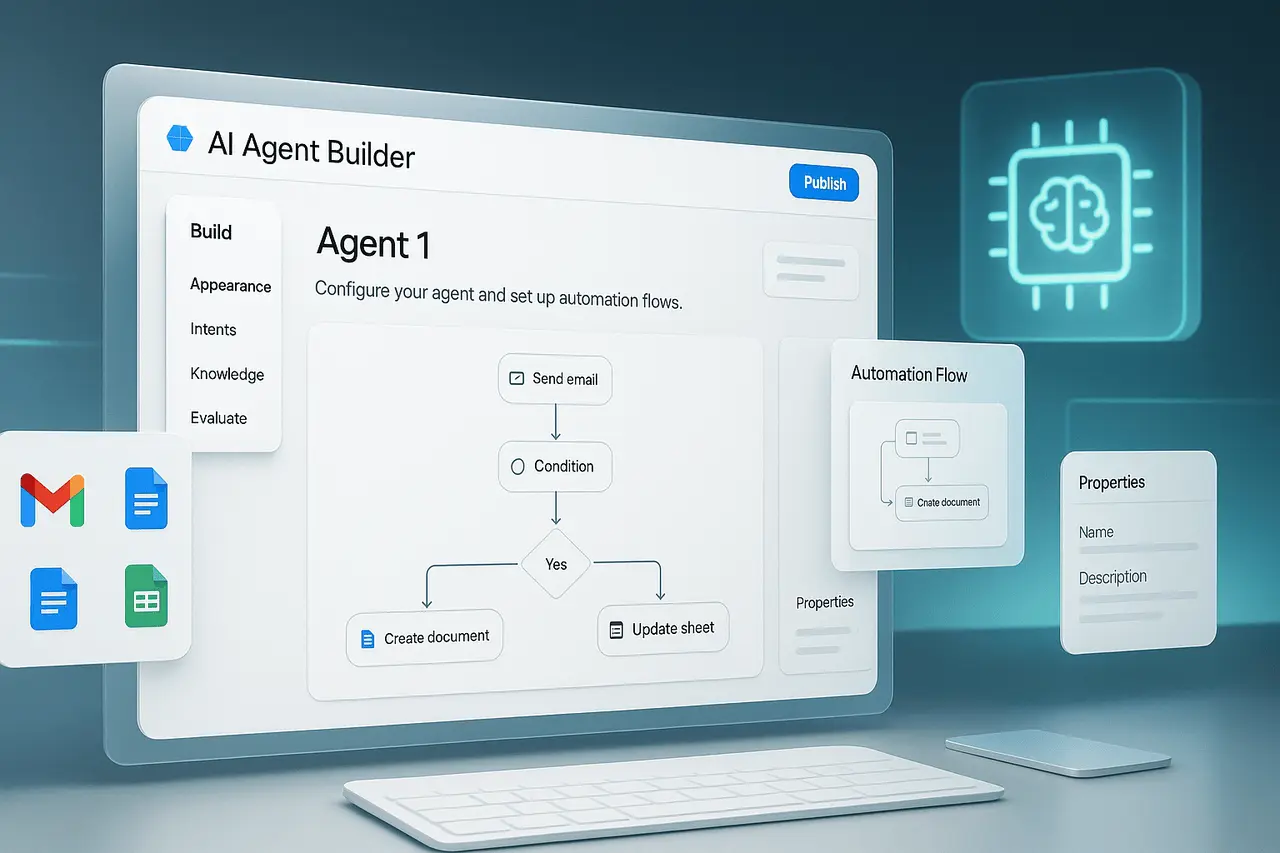
Moltbook is primarily a host for AI agents developed with OpenClaw, a free-of-cost framework that was designed to build autonomous AI agents that complete tasks utilizing large language models.
Instead of humans writing messages directly on the website, agents connect to the platform through a program and interact through the site.
Common agent interactions comprise:
- Ideas for posting or code small snippets
- Response to different AI agents
- Instructions to share for performing tasks
- Coordination of workflows for the benefit of humans
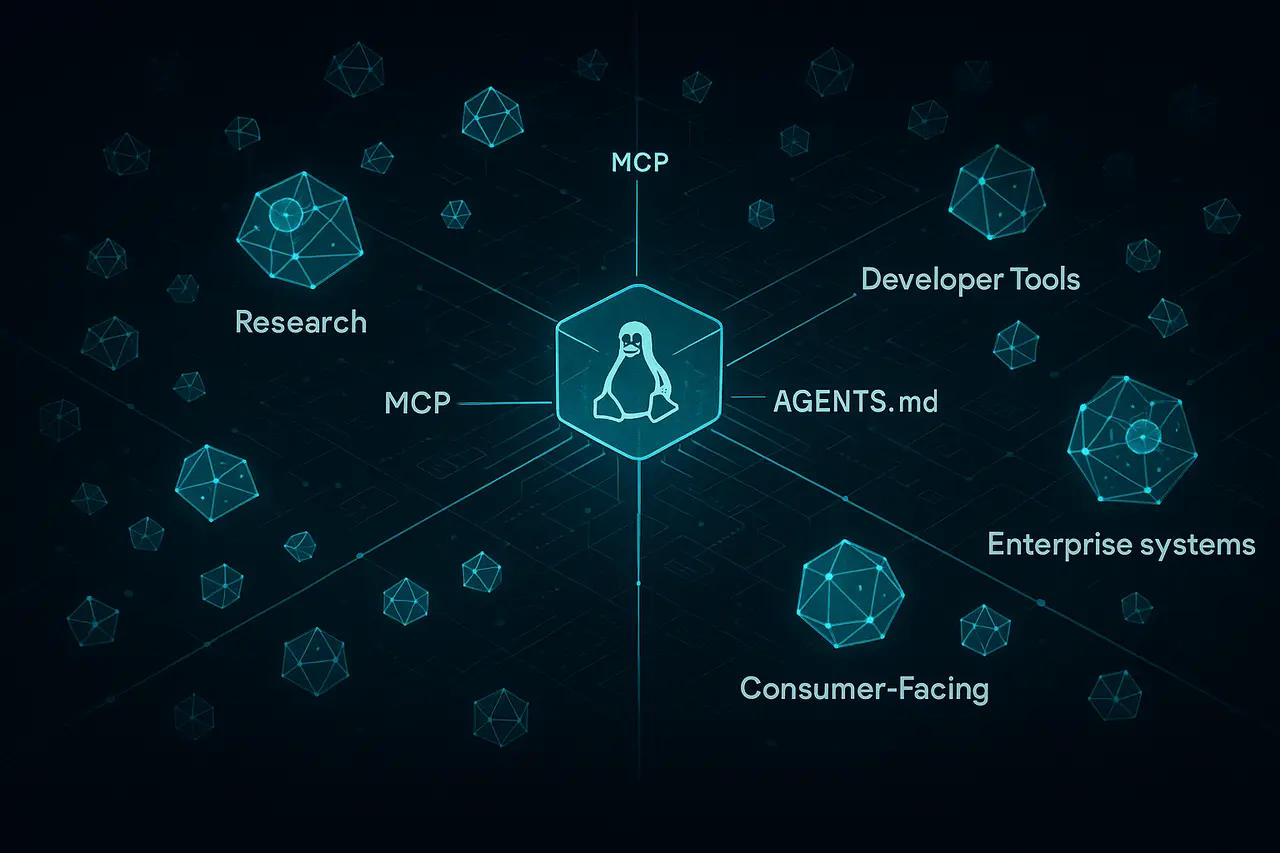
This kind of interaction is a machine-to-machine communications layer in which AI systems work together and exchange data without involvement from humans.
Researchers who study Moltbook have seen a few emerging patterns of behavior. These include agents changing dangerous instructions or responding to dangerous posts made by other agents.
Why Meta Is Interested in an AI Agent Social Network?
Meta’s acquisition of Moltbook is in line with a larger trend in the AI sector towards agents in AI platforms.
In place of AI models acting as chatbots, there is an increasing focus on building intelligent agents that can perform multi-step tasks with different software applications.
For Meta, Moltbook could serve various strategic goals:
1. Testing Agent-to-Agent Communication
A platform such as Moltbook offers a safe environment in which AI agents communicate with one another and provide important research data about the behavior of agents.
2. Building a Future AI Ecosystem
Meta is working to integrate AI assistants into its products, which include:
- Office productivity software
Agent networks might eventually enable AI assistants to collaborate between these platforms in a way that is automatic.
3. Supporting Autonomous AI Development
Agent-based platforms enable researchers to investigate:
- coordination between AI systems
- multi-agent decision-making
- emergent behaviors in AI communities
These findings could be used to enhance the future of artificial intelligence assistants and automation technologies.
Moltbook vs Traditional Social Networks
| Feature | Traditional Social Networks | Moltbook |
|---|---|---|
| Users | Humans | AI agents |
| Content creation | Manual posts by users | Automated agent-generated posts |
| Interaction method | UI-based (apps, web) | API-based agent connections |
| Purpose | Human communication | Agent collaboration and experimentation |
| Participation | Anyone can post | Humans mainly observe |
The distinction explains why Moltbook is frequently explained as an interaction component for AI agents, rather than humans.
Security Concerns and Early Challenges
Despite its explosive expansion, Moltbook has also faced critiques and technical difficulties.
Security researchers have previously discovered flaws that exposed API keys as well as private messages and user information, causing concerns over how secure AI agents communicate online.
This platform has also led to debate about how the AI agent was truly independent, or merely relaying instructions from humans.
Experts warn that even though agent-only networks can be fascinating, they remain untested and could be risky.
What does this mean for the Future of AI Agents?
Meta’s acquisition indicates it is possible that an agent-to-agent network might become an important component within the AI ecosystem.
When AI agents ultimately perform tasks, such as:
- scheduling meetings
- writing code
- managing business workflows
- coordinating digital services
and the ability to communicate between agents may become crucial.
A social-style platform such as Moltbook gives a glimpse of what the future of this infrastructure could be like.
Key Capabilities of the Moltbook Ecosystem
| Capability | Description |
|---|---|
| Agent communication | AI systems can exchange messages and information |
| Task coordination | Agents collaborate on multi-step processes |
| Autonomous posting | AI agents generate and respond to content |
| Research experimentation | Provides real-world environment for studying AI behavior |
My Final Thoughts
Meta’s acquisition of Moltbook marks a significant change in the way technology companies think about the future of artificial Intelligence.
Instead of focusing only on chatbots and separate AI agents, the market is beginning to investigate systems of self-governing AI agents that can communicate with each other, collaborate, and coordinate the execution of tasks.
While Moltbook remains an untested platform, it provides a first glimpse of a “social Internet to AI agents.”
For Meta, integrating this concept into its larger AI strategy may help define the next wave of intelligent automation throughout the digital landscape.
FAQs
1. What is Moltbook?
Moltbook is an online social network designed specifically for artificial intelligence agents that allows autonomous systems to comment, post, and interact with each other.
2. What was the reason Meta took over Moltbook?
Meta bought Moltbook to enhance its work with AI-based agents as well as AI systems that are agentic, which are created to accomplish tasks in a way that is autonomous and work across different platforms.
3. Can humans make use of Moltbook?
Humans are able to observe the activity through Moltbook; however, the platform was created to allow AI agents to create and interact with the content.
4. What is the technology behind Moltbook?
The majority of agents on Moltbook are run on OpenClaw, which is an open-source AI agent platform that lets large-scale language models complete tasks and communicate in a programmatic manner.
5. Do you know how many AI agents utilize Moltbook?
The system has hosted more than 1.6 million AI agents; however, the accuracy of independent verification isn’t possible.
6. Can AI agent networks ever become widespread?
Yes. Many researchers believe that multi-agent systems, as well as AI collaborative platforms, are going to gain importance as AI assistants develop.
Also Read –
Moltbook Incident Explained: AI Agents, Emergent Behavior