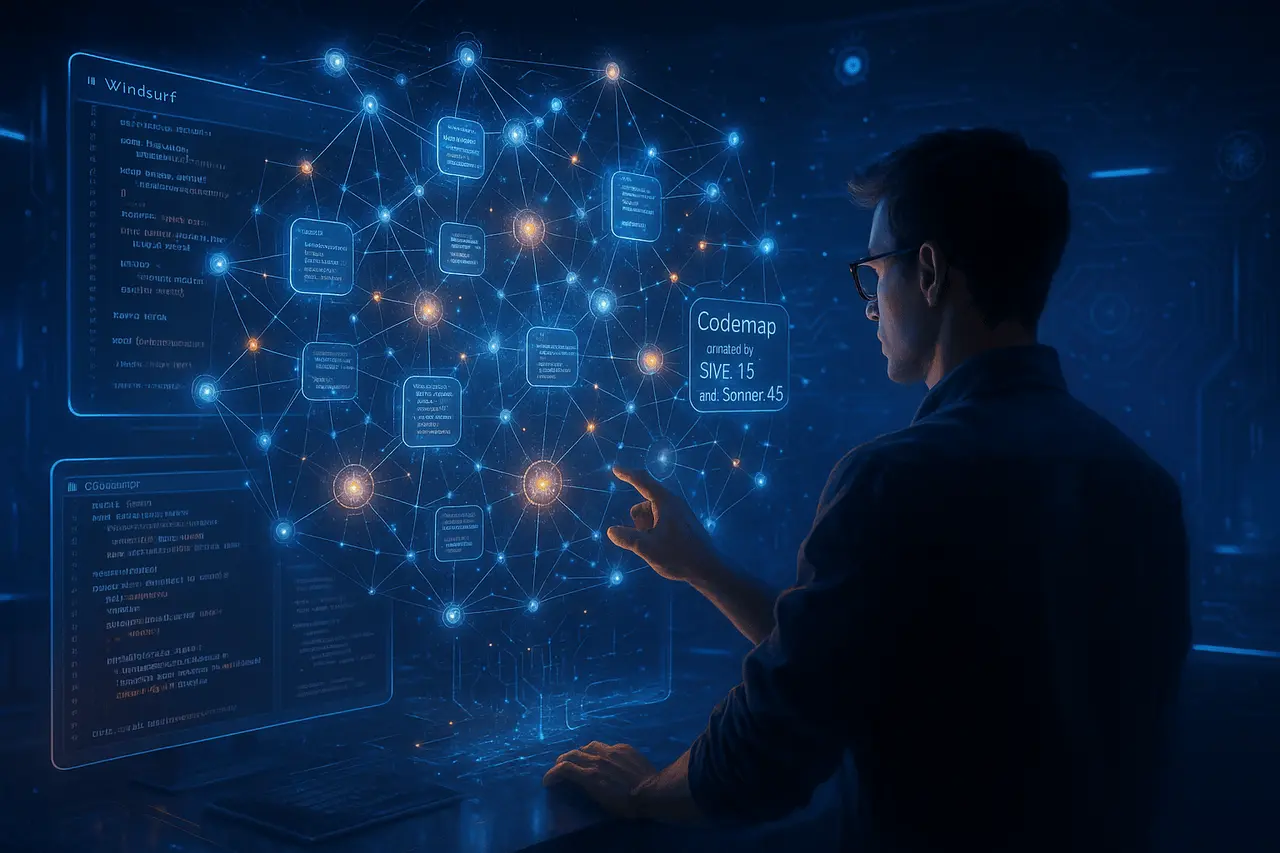

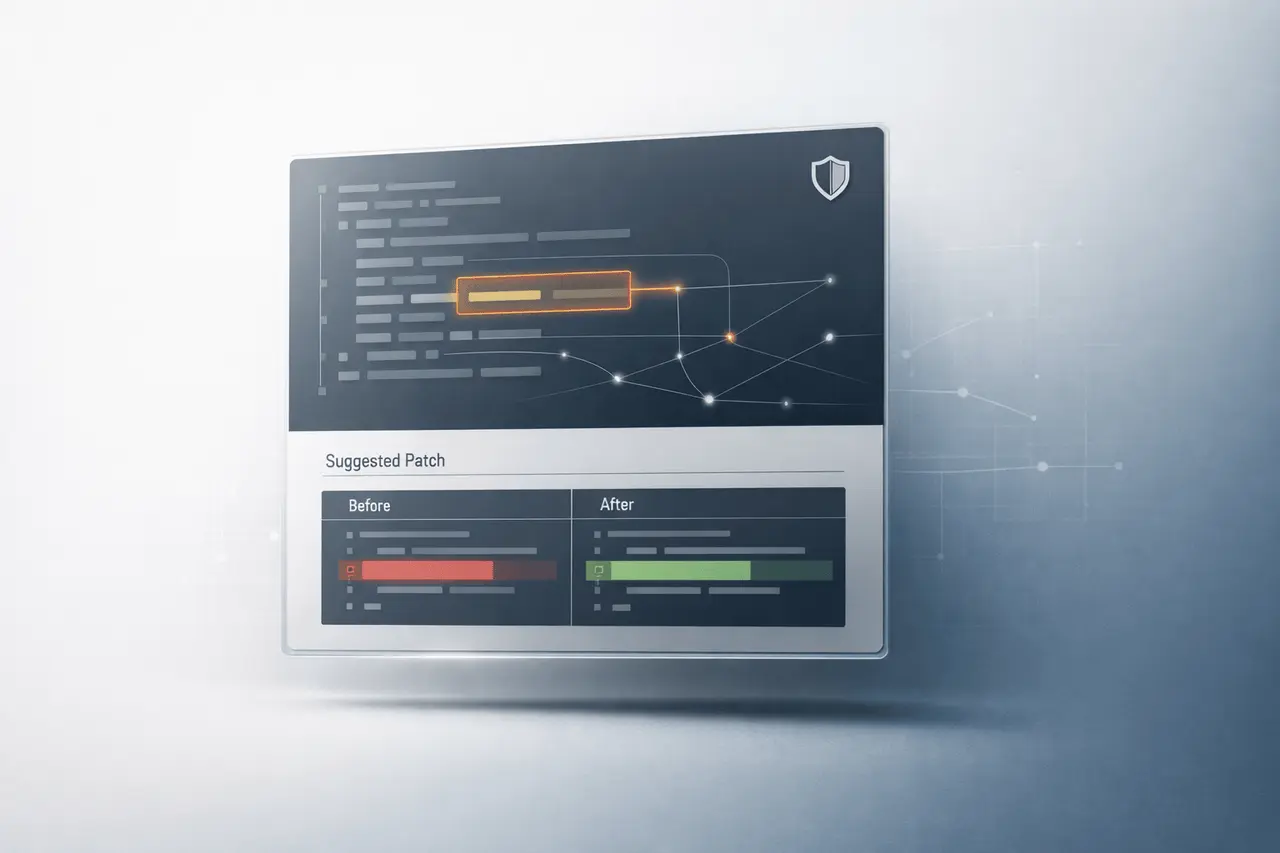
On February 20, 2026, Anthropic launched Claude Code Security, an AI-powered tool that analyses software codebases for security weaknesses and suggests targeted patches for human review. This new tool will assist security and development teams in finding and fixing problems that scanners typically miss, and in rethinking how it is handled in the age of AI-powered development.
With the rapid growth of technology and AI in software engineering, applications to increase code safety and guard against new threats are becoming increasingly important. Claude Code Security represents a significant improvement in the detection and remediation of vulnerabilities.
What Is Claude Code Security?
Claude Code Security is an AI-driven code analysis feature built into the Claude Code platform. It runs deep code scans to find security issues and the causes in code structure and context, and suggests corrective patches for human review and approval.
Contrary to static application security testing (SAST) tools that use pattern matching to identify known vulnerabilities, Claude Code Security applies sophisticated reasoning to track code interactions and data flows. This allows you to identify subtle vulnerabilities that rule-based tools may overlook.
How does it work?
- The Deep Code Algorithm: AI analyses logic flows, interactions, and flow in the source code.
- Multiple Verifications: Results are reviewed to minimise false positives.
- Severity and Confidence Ratings: Confidence and severity ratings for each finding provide context and a risk level to help prioritise.
- Suggestions for Patching: Claude proposes actionable patches but leaves the final approval and integration to the developers.
It is being released as a limited preview of research for both teams and enterprise customers. It isn’t yet widely available. Still, it provides insight into the next generation of application security tooling.
Why Claude Code Security Matters?
AI transforms the processes of software development, troubleshooting, and security. However, rapid, AI-driven code generation increases the risk of a security breach. Automated code output can contain security vulnerabilities that slip through traditional analysis.
Claude Code Security matters because:
- Traditional scanners recognise patterns, but they struggle with complex algorithms and subtle flaws.
- AI-driven detection can discern complete code contexts and reveal weaknesses that are not obvious to the naked eye.
- Community-suggested patches help speed up remediation, preventing results from piling up in the backlog.
- It keeps developers in control, AI suggests; humans decide.
The Challenge of Modern Software Security
Security concerns for AI-driven development of software comprise:
- The introduction of vulnerabilities has increased with the use of AI code assistants.
- Traditional tools slow down when dealing with business logic or context-sensitive issues.
- The growth of codebases is faster than manual security checks can keep up with, increasing the size of your security review.
In this scenario, AI tools like Claude Code Security are developed to assist groups in the face of threats that evolve alongside advanced coding techniques.
Feature Comparison: Claude Code Security vs Traditional Tools
| Capability | Traditional SAST | Claude Code Security |
|---|---|---|
| Pattern-based detection | Strong | Present (but not primary) |
| AI reasoning across components | None | Yes |
| Context and data flow inference | Limited | Advanced |
| Patch suggestion | No | Yes |
| Human-in-loop review | Generally required | Mandatory |
| False positive reduction | Varies | Multi-stage verification |
Benefits of Using Claude Code Security
- Improved Vulnerability Discovery: Reasoning-based AI better detects issues that are not merely pattern matches.
- Actionable Remediation: Patches that fix the problem speed up the repair process.
- Lower False Positives: Reducing false positives through internal validation improves the results.
- Developer Control: Human approval remains the most important factor.
These benefits help security teams and developers manage risk and ensure code integrity, particularly as applications become more complex and interconnected.
Limitations and Practical Considerations
Even though Claude Code Security shows promise, it is not a substitute for the full security testing process:
- It’s not a runtime tester: it analyses code statically and cannot detect vulnerabilities that manifest during execution.
- Human oversight is required: developers must verify patches to prevent mistakes or inappropriate changes in context.
- Status of Preview: As of 2026, the feature was only available for research previews, not for general access.
These points highlight that Claude Code Security is best used in conjunction with additional security tools, such as dynamic testing, and with tools that integrate into DevSecOps pipelines.
Real-World Implications
The announcement by Claude Code Security had an immediate impact on the technology industry. Cybersecurity stocks fell sharply after the announcement. Major software companies are seeing their valuations drop as investors assess the potential threat posed by AI-based security automation.
This reaction highlights the perception that AI-native tools may redefine the competitive landscape for vulnerability scanning and remediation–especially if advanced models begin to outpace static, rule-based solutions at scale.
My Final Thoughts
Claude Code Security represents a modernisation of the way security teams discover and resolve weaknesses. By combining reasoning-driven analysis with human-suggested patching and monitoring, this technology is designed to fill gaps that traditional tools often overlook and accelerate security-conscious development workflows.
As AI continues to influence software design, incorporating sophisticated security checks early in development will become increasingly important. Tools such as Claude Code Security signal a broader trend: security must adapt to AI-driven innovations so developers can create secure, reliable software that meets future demands.
FAQs
1. What is Claude Code Security?
Claude Code Security is an AI-powered vulnerability and code-scanning feature integrated into the Claude Code platform. It can also suggest specific patches.
2. How does it differ from traditional static analysis tools?
Contrary to traditional static tools, which use match-ups, Claude Code Security reasons about code context and interactions, allowing you to identify more subtle or intricate weaknesses.
3. Are Claude Code Security available to everyone?
On February 20, 2026, the software will be available in a limited research preview to enterprise customers, Teams customers, and select maintainers from the open source community.
4. Are developers losing control over their code using this AI tool?
No. Claude Code Security suggests patches; however, developers must read and accept them before integration.
5. Do Claude Code Security detect runtime weaknesses?
No. It analyses code statically and doesn’t run the application. As such, runtime vulnerabilities may require additional testing.
6. Do organisations need to replace their current Security tools with Claude Code Security?
Claude Code Security should complement existing security practices rather than replace them, particularly for runtime and dynamic testing.
Also Read –
Claude Sonnet 4.6: Full Breakdown of Features and Capabilities