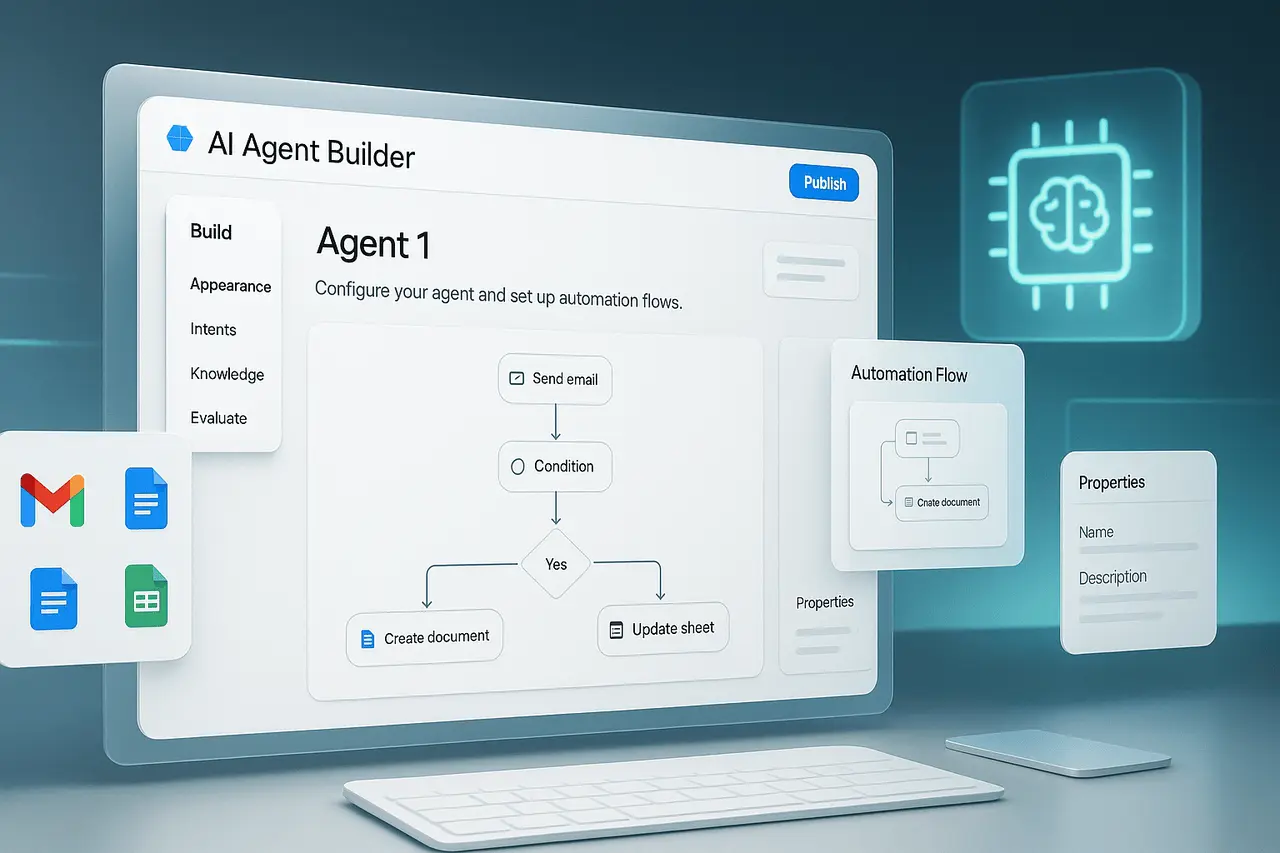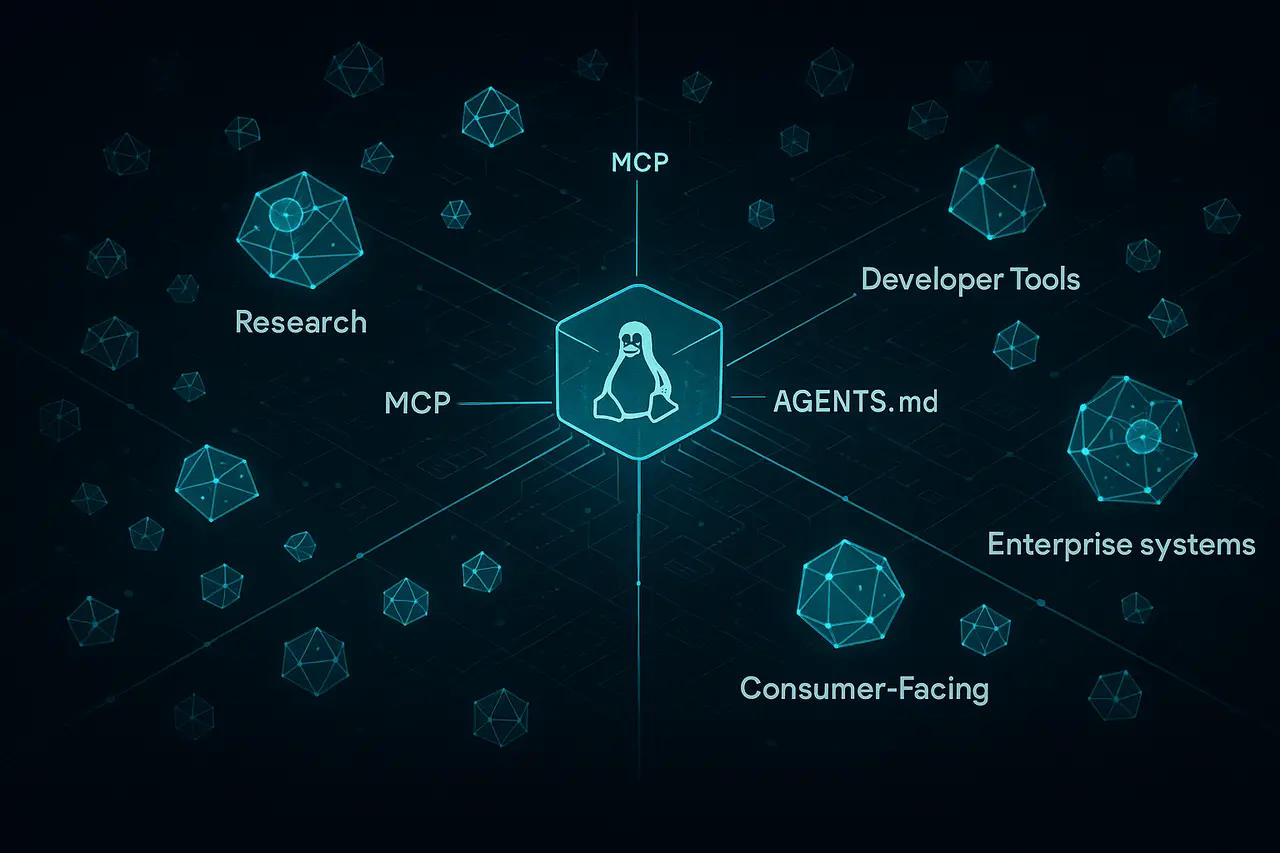

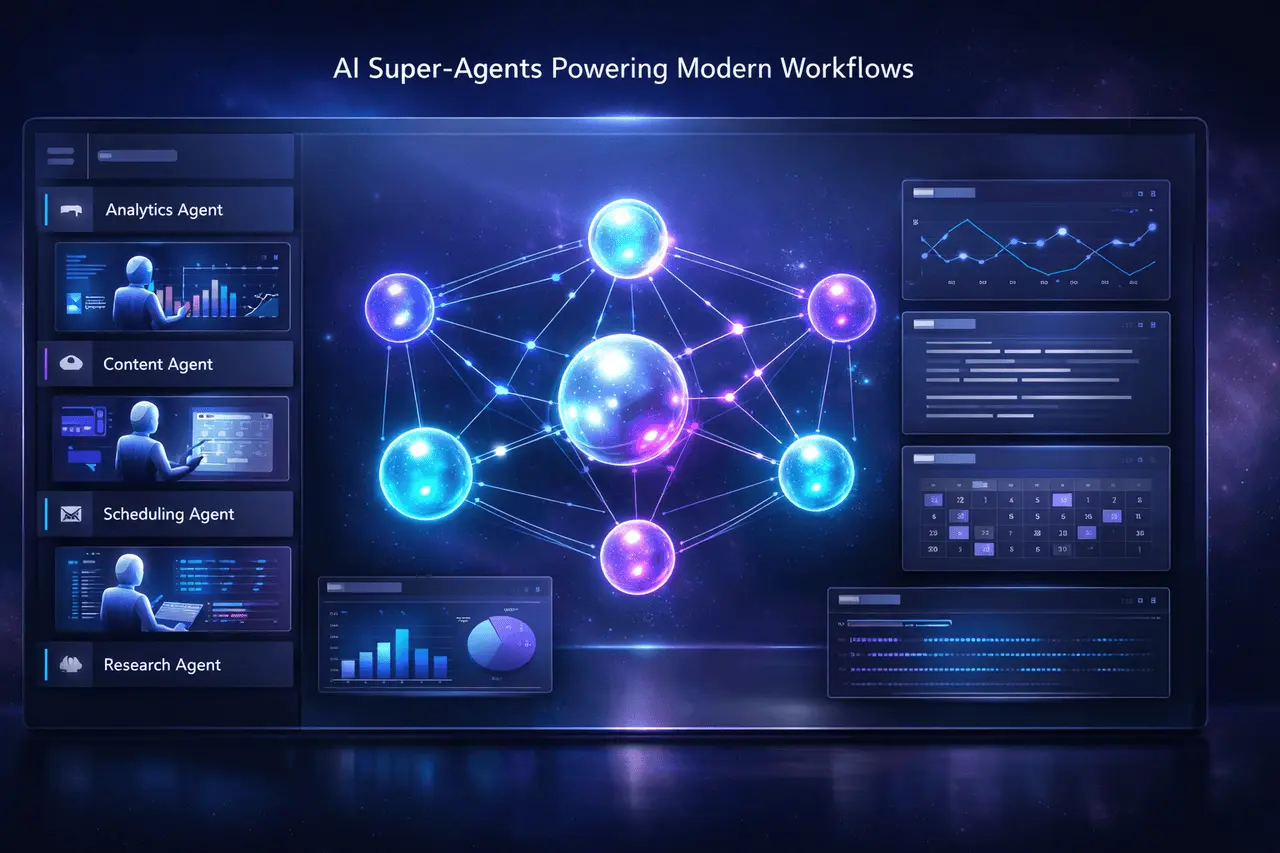
Nebula AI super-agent platform represents the next frontier in collaboration and automation. In contrast to traditional AI tools that respond to a set of requests and commands, the Nebula AI super-agent platform organizes intelligent agents into context-based workspaces that resemble communication channels, as in collaboration software.
They are ready to perform real-time tasks. Users can create personal workflows as well as entire business operations using Nebula, controlling autonomous agents to automate, build, and schedule work with only a few inputs. Many early adopters use Nebula to increase productivity, decrease manual overhead, and simplify complicated, multidisciplinary processes.
What Is the Nebula AI Super-Agent Platform?
Nebula AI is a super-agent platform, an autonomous system that lets task-oriented AI agents work in well-defined workspaces. The agents don’t simply answer questions; they perform on behalf of users to execute complex actions within workflows.
Key concepts include:
- AI Agents: Separate AI units that can think, plan, and execute tasks.
- Channels/Workspaces: Zones that are contextual in which agents collaborate and handle ongoing tasks.
- Execution and Automation: Agents can create content, plan tasks, synthesize data, and communicate with tools.
This design resembles collaborative platforms but substitutes human team members for intelligent software agents that perform real-time tasks.
Why Nebula’s Approach Matters?
Traditional AI solutions, like one-off chatbots or generic APIs, require users to issue commands repeatedly. Nebula AI is a different approach. Nebula AI Super-Agent Platform goes this step further by transforming single-use tasks into permanent context-aware workflows.
Real-World Impact
- Performance Scale Up: Agents perform actions based on instructions rather than just prompts, decreasing the need for manual oversight.
- Automated Workflow: Multiple agents can work in tandem within designated channels to perform more complex tasks.
- The End to-End Process: from conducting research and scheduling to writing optimization, agents take on routine and strategic work alike.
This change marks a shift from proactive AI to more proactive AI aid.
How the Nebula AI Super-Agent Platform Works?
In its fundamentals, Nebula blends several advanced technologies to allow automated agents:
AI Models & Memory
The Nebula agent is powered by massive reasoning and language models that can understand context, make decisions, and maintain state across interactions. Each agent can reference the past, ensuring continuity over time.
Autonomous Execution
Instead of waiting for step-by-step instructions, agents interpret objectives, develop strategies, and complete tasks by integrating Automation layers and APIs.
Collaboration & Orchestration
As channels in chat tools for Teams workspace, channels have dedicated agents who:
- Monitor ongoing tasks
- Share information with other agents
- Respond to requests based on changing needs
This orchestration of multiple agents allows complex tasks to be carried out through interconnected systems.
Benefits of Using Nebula AI
Nebula AI’s Super-Agent Platform provides many benefits for both organizations and individuals:
Increased Operational Efficiency
Agents handle routine functions, allowing humans to concentrate on creativity and decision-making.
Scalable Automation
Workflows that typically require multiple people can now be handled by AI agents working in parallel.
Consistent Productivity
Agents retain memory and context across tasks, leading to fewer errors and better performance over time.
Accessible for Non-Developers
Users don’t require vast technical knowledge to set up agents. Basic instructions usually suffice.
These advantages make Nebula attractive for small groups, solo entrepreneurs, and large corporations.
Limitations & Challenges
Although it is promising, this Nebula AI super-agent technology is also afflicted with several practical challenges:
- Limitations for Tasks: Agents can be challenged by ambiguous objectives when users cannot provide clear guidelines.
- Oversight requirements: Automated workflows require regular human oversight to ensure that they are accurate.
- Integrity Complexity: Complete integration to complex enterprise systems may require custom solutions.
Despite these issues, companies that have adopted Nebula have seen significant improvements in efficiency and operational speed increases.
Typical Use Cases
| Use Case | How AI Agents Help |
|---|---|
| Business Operations | Automate scheduling, reporting, and customer interactions. |
| Research & Analysis | Compile data, summarize insights, and generate action plans. |
| Content Creation | Draft documents, presentations, and scripts based on high-level prompts. |
| Marketing Automation | Plan campaigns, monitor engagement, and optimize outreach. |
| Personal Productivity | Manage tasks, calendars, and reminders autonomously. |
Agents can be customized to specific domains, making them adaptable for virtually any field of work.
How Nebula AI Differs From Traditional Automation?
| Feature | Traditional Automation | Nebula AI Super-Agents |
|---|---|---|
| Task Initiation | User-triggered | Goal-oriented execution |
| Flexibility | Rule-based | Context-aware reasoning |
| Scalability | Limited | Multi-agent workflows |
| Adaptation | Static | Learns from interactions |
| Integration | Tool-specific | Broad ecosystem connectivity |
Nebula’s platform is a leap from static automation to AI-driven automation.
Best Practices for Users
To increase the benefits that come from the Nebula AI super-agent :
- Create Clear Objectives: Precise goals help agents plan and implement their plans effectively.
- Provide Feedback Loops: Regular review refines agent behavior over time.
- Integrate Key Tools: Integrate calendars, databases, and APIs to extend agents’ capabilities.
- Monitoring Performance Metrics: Utilize analytics to measure results and improve workflows.
These strategies help align the agent’s output with users’ expectations.
My Final Thoughts
Nebula AI is a super-agent platform that reimagines the way businesses and individuals engage with AI by arranging AI agents into permanent, contextually aware channels that continuously perform tasks, shifting the focus from reactive support to active execution. Be it managing personal workflows or enterprise projects, Nebula enables greater efficiency, flexibility, and productivity.
As AI-based agent technology continues to develop, platforms such as Nebula are likely to be central to how teams collaborate to automate, innovate, and work together, ushering in a time when intelligent agents manage complex workflows with no human supervision.
FAQs
1. What exactly is a super-agent within Nebula?
Super-agents are autonomous AI components of the Nebula platform that interpret goals and complete tasks across multiple workflows.
2. Do I need to be a programmer to utilize Nebula agents?
Nebula is not a game; Nebula is designed to be easily accessible and requires high-level instructions, not deep programming knowledge.
3. Can Nebula work in business settings?
Nebula will indeed integrate corporate tools and systems to automate operations, marketing, research, and more.
4. Are Nebula agents adaptive over time?
Agents maintain memory and context, enabling them to adapt to changes based on prior interactions and tasks.
5. Are human oversights still needed?
While agents automateautomate many tasks, human review ensures precision and alignment with strategic objectives.
Also Read –
Oz Platform: Cloud Agent Orchestration Explained