

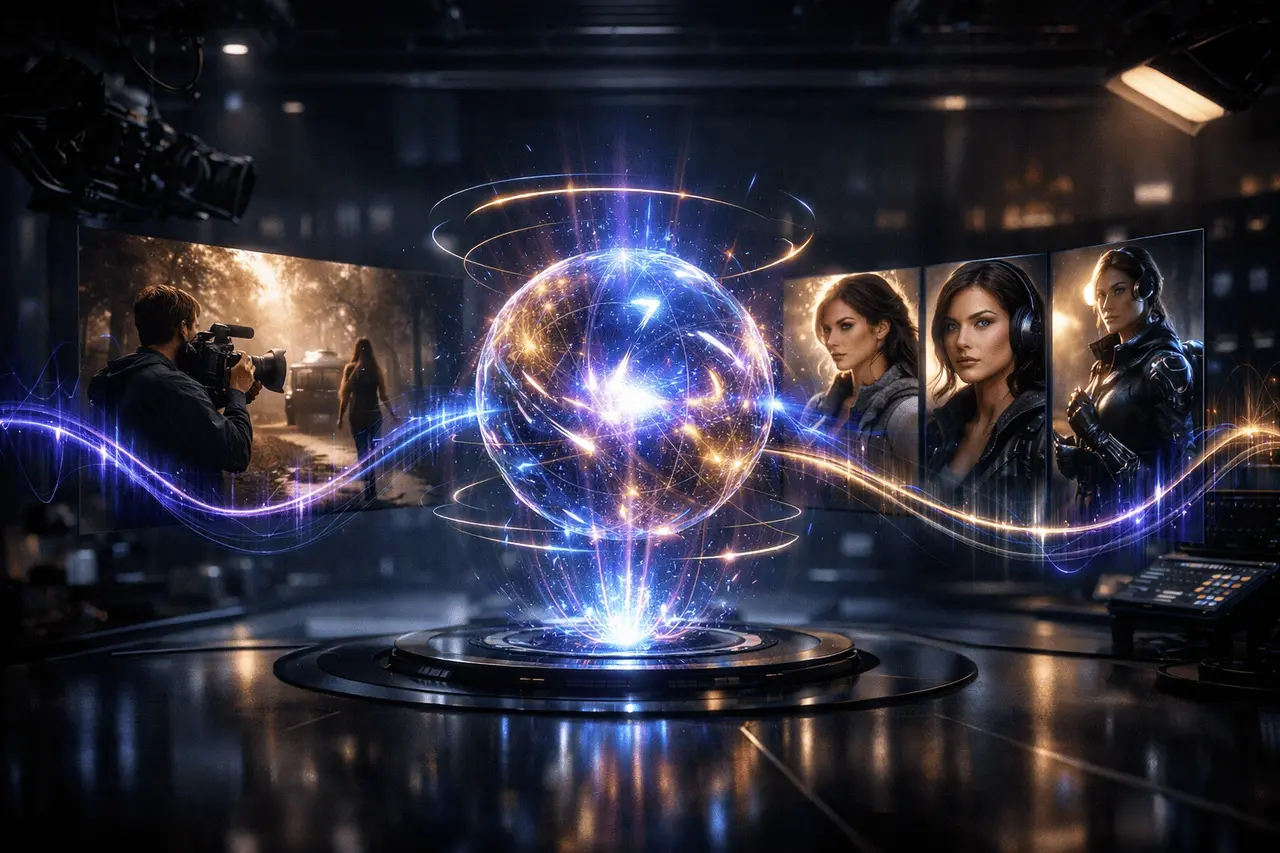
The Kling 3.0 model is a significant leap forward in AI-driven content creation, making it a complete system for generating images, videos, and audio. It is a multimodal native engine. Kling 3.0 is designed to provide creators with full control over cinematic visuals, character consistency, and synced sound, without dividing workflows across multiple tools. As the technology for generative media develops and becomes more sophisticated, this model demonstrates how tightly integrated systems can improve production quality while reducing friction.
In this article, we will explain precisely what the Kling 3.0 model is, what it’s about, why it’s important, how it functions, and where it will fit into the real-world creativity pipelines.
What Is the Kling 3.0 Model?
The Kling 3.0 model is a complete machine-learning system that can create short-form video, high-resolution photos, and native audio within a single framework. Contrary to previous approaches that tacked on distinct models for visuals, text, and sound, Kling 3.0 is built to create and maintain coherence across different modes from scratch.
This model is available through, where Ultra-tier users get early access to the latest capabilities.
Why Kling 3.0 Matters in Modern Content Creation?
Digital storytelling has become increasingly demanding of speed, quality, and consistency. Traditional production pipelines are often struggling with:
- Character drift across scenes
- Lighting that is inconsistent and tone of sight
- Disconnected audio and video
- Tools sprawl across multiple platforms
The Kling 3.0 model tackles these issues by centralizing control of creativity. For studios, creators, and other businesses that regularly produce visually rich content, this connection could dramatically reduce the number of iterations and post-production expenses.
Core Capabilities of the Kling 3.0 Model
Superb Consistency Across Characters and Elements
One of the main advantages of the Kling 3.0 model is its visual and narrative coherence. Characters, objects, and environments remain consistent across shots and frames, which is crucial for storytelling and brand alignment.
This consistency is a support for:
- Recurring characters in serialized content
- An enduring visual brand for marketing campaigns
- Fewer continuity errors in commercials and short films.
flexible video production utilizing Cinematic Control
Kling 3.0 lets you create short 15-second video clips with precise control over the pace and shots. Creators can create multi-shot sequences that appear as a single unit, not stitched together.
Its key advantages include:
- Realistic scene and motion transitions
- precise frame and sequence of shots
- The support for Cinematic Styles of Visual
Upgraded Native Audio Generation
It’s no longer a last-minute thought. It is now a priority for Kling. 3.0 model supports native audio generation, which allows:
- Multiple character voice references
- Accent and language coverage
- Better alignment between dialogue, tone, and visuals
It reduces reliance on other voice synthesis tools and helps maintain immersion.
Improved Image Generation Using 4K Output
The image generation feature in Kling 3.0 has been improved to support 4K outputs. The new mode for image series is now available, which allows creators to create visually connected sets of images, making it easier to develop storyboards, campaigns, or even scene development.
Feature Comparison: Kling 3.0 vs Fragmented Creative Pipelines
| Aspect | Traditional Multi-Tool Workflow | Kling 3.0 Model |
|---|---|---|
| Visual consistency | Manual correction required | Natively maintained |
| Audio integration | Separate tools needed | Built-in |
| Image resolution | Varies by tool | Up to 4K |
| Workflow speed | Slower, fragmented | Unified and faster |
| Creative control | Tool-dependent | Centralized |
This comparison demonstrates how a unified approach to multimodality will streamline production while improving the quality of output.
How does the Kling 3.0 Model Work?
In the grand scheme of things, Kling 3.0 relies on the sharing of internal representations of text, images, and audio. Instead of creating each medium separately, it manages them throughout the production process.
This design permits:
- Visual elements that stay at a consistent point with the narrative intent
- Audio cues are used to determine a character’s presence and timing.
- Scene transforms make it seem deliberate rather than abrupt.
In a single creative context, the model can reduce the likelihood of mismatches in modular AI configurations.
Real-World Applications of Kling 3.0
Content Creation and Social Media
Short, visually appealing videos are the foundation of modern platforms. Kling 3.0 enables rapid, high-quality production of cinematic content without a whole production team.
Marketing and Brand Storytelling
Brands benefit from consistency in character, tone, and images across their campaigns. The model’s stability allows brands to maintain brand identity across different assets.
Creative Prototyping and Previsualization
Designers and filmmakers can quickly create scenes, evaluate visual styles, and create storyboards with high-resolution images and video clips.
Education and Training Media
Narrated visuals synchronized with audio can increase engagement with educational or explainer videos.
Benefits of the Kling 3.0 Model
- Unified multimodal workflow
- High resolution and visual realism
- A strong character as well as a consistent scene
- Reduced post-production effort
- Faster iteration cycles
Limitations and Practical Considerations
Although it is strong, it is not without limitations. 3.0 model has some considerations:
- Short-form video length limits
- Advanced features might require a premium account
- Learning curve for exact creative control
Understanding these boundaries can help teams to set realistic expectations and establish workflows efficiently.
My Final Thoughts
The Kling 3.0 model shows how native multimodal design can transform creative production. By integrating image, video, and audio production into a single system, it solves long-standing issues around consistency, speed, and quality. If you are a creator looking for cinematic outcomes without broken processes, Kling 3.0 offers a glimpse of an AI-driven future for storytelling that lets everyone play the role of an actor.
FAQs About the Kling 3.0 Model
1. What is it that makes the Kling 3.0 design different from previous versions?
Kling 3.0 highlights native multimodal generation, ensuring consistency across image, video, and audio, compared to older, more segmented methods.
2. Does the Kling 3.0 model create long videos?
The current focus of the model is on short, high-quality videos rather than longer-form film production.
3. Does Kling 3.0 support multiple languages?
Yes. The updated audio system can support more accents and languages than previous versions.
4. Are the features of Kling 3.0 appropriate for professional marketing?
Yes. The consistency, realism, and resolution make it an excellent choice for commercial and brand-name content.
5. Do they require tools for recording or an image?
No. Kling 3.0 integrates video, image, and audio generation in a single environment.
Also Read –
Notion AI Agents: Building AI Co-Workers for an AI-First Organisation