
Notion AI agents have entered the next phase of their capabilities. According to a recent Notion update, the company is currently working on innovative AI connectors, including Computer Use and Claude Code integration. These new developments indicate a shift towards more autonomous agents and AI tasks that extend beyond document creation and text.
If implemented as described, these connectors may enable Notion AI agents to run in a separate computer instance and perform more complex code tasks. The competition to hire 24/7 AI agents increases as we move into 2026; this shift positions Notion in a fast-changing AI productivity environment.
What Are Notion AI Agents?
Notion AI agents are artificial intelligence-powered agents integrated into Notion’s Workspace platform. They aid users:
- Draft and summary documents
- Generate structured content
- Get information from databases and notes
- Automation of workflows in Notion
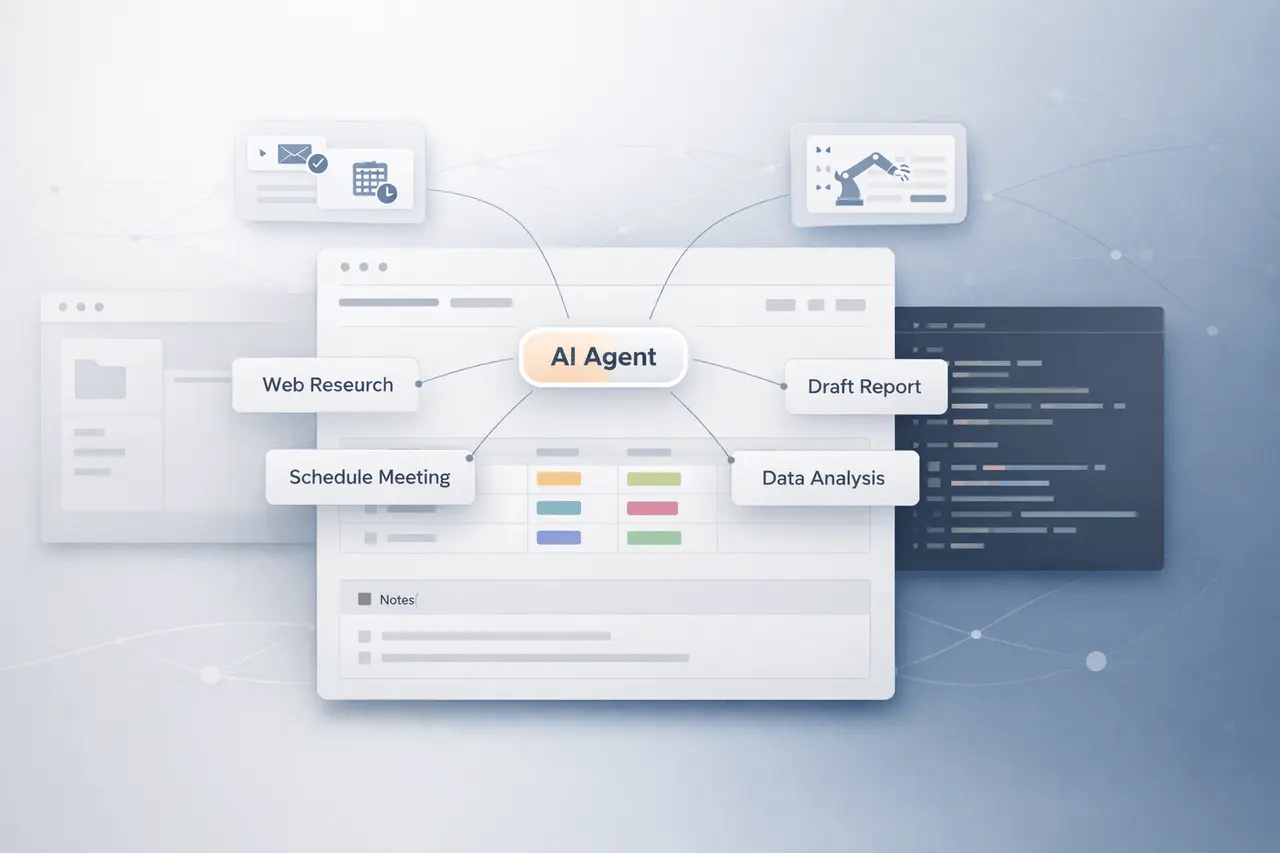
Unlike simple chatbots, AI agents are built to perform multi-step tasks, reason with context, and interact with other tools. The move to “agentic AI tasks” refers to systems that:
- Plan tasks autonomously
- Perform multiple steps across different tools
- adapt based on feedback or inputs from new sources
With the new AI connectivity, Notion AI agents may change from working assistants to more general digital operators.
New AI Connectors: What’s Being Developed?
Notion has stated that it is developing connectors to enhance the operational capabilities of its AI agents. Two major integrations stand out.
1. Computer Use Integration
Computer Use integration suggests that Notion AI agents could interact with a computer-specific environment. This could allow them to:
- Navigate user interfaces
- Manage and open applications
- Perform workflows on external systems
- Perform actions outside of the Notion workspace
If properly implemented, it could be an important step towards fully autonomous AI assistants capable of completing all-digital tasks.
2. Claude Code Integration
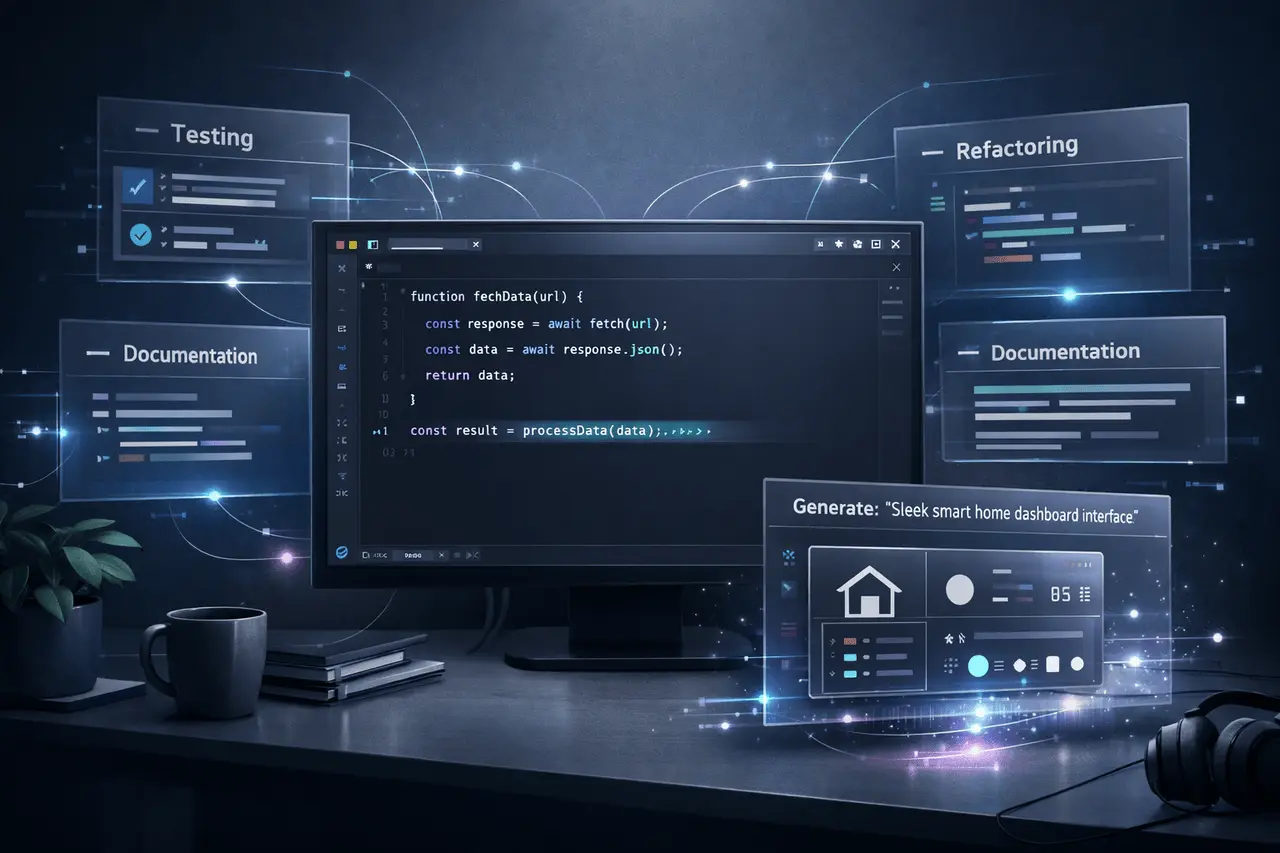
Integration with Claude Code could potentially enable Agents of Notion AI to complete more sophisticated programming tasks.
Claude is an AI model created by Anthropic. Claude Code refers to coding-focused capabilities within the model family. Integration may allow Notion agents:
- Create and refine the code
- Debug scripts
- Modify project files
- Automate technical workflows
It suggests a greater shift towards developer-focused usage cases.
Why This Matters: The Rise of Agentic AI Tasks
The shift to agent-based AI tasks reflects a broader shift in AI technology design. The old AI systems primarily respond to commands. Agent-based systems, however:
- Set intermediate goals
- Execute multi-step processes
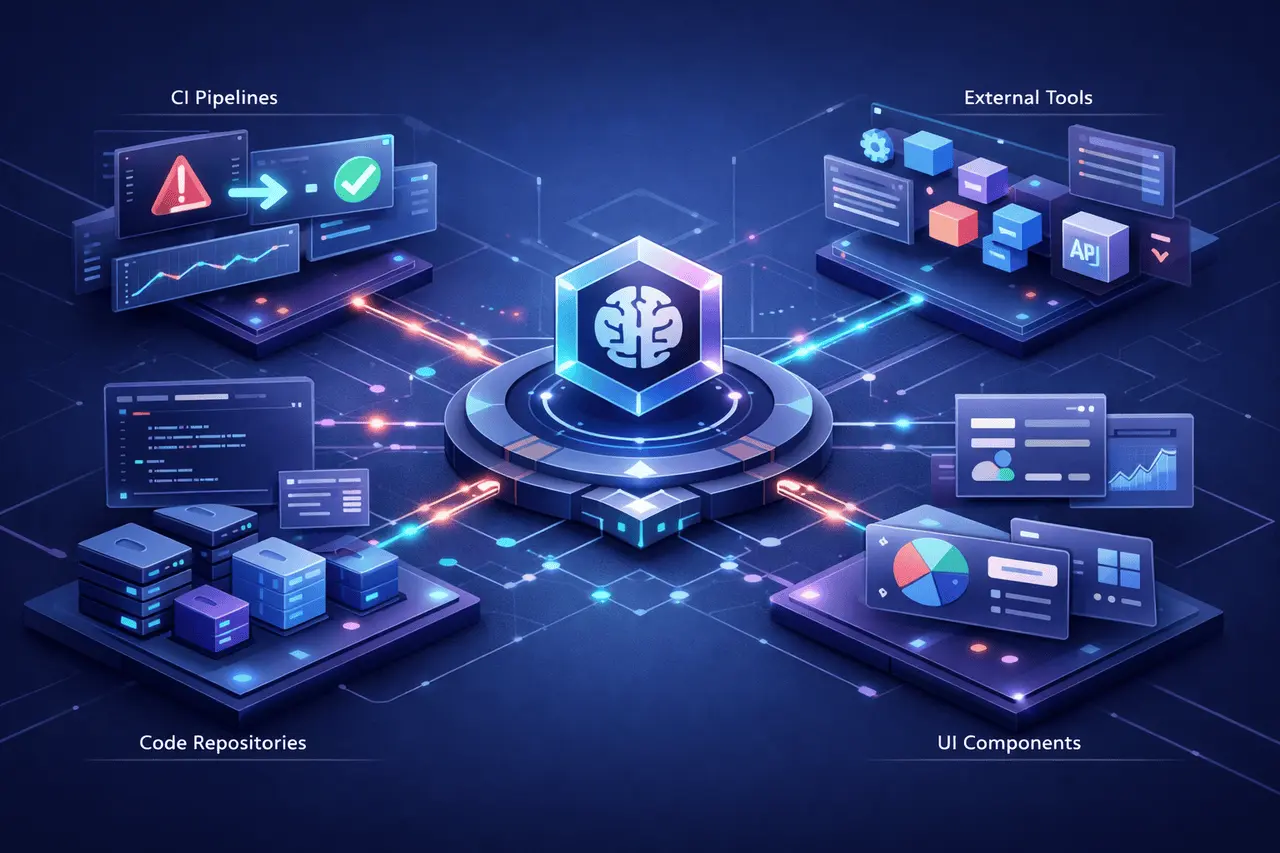
- Integrate across tools
- Operate indefinitely
The ability to utilise Computer Use integration and Claude Code integration may enable Notion AI agents to go beyond note-taking or document assistance, to technology-driven workflow automation and execution.
As businesses seek 24/7 AI agents that can run continuously without manual supervision, this capability becomes crucial to strategic planning.
Feature Comparison: Current vs Potential Capabilities
| Capability Area | Current Notion AI Agents | With New AI Connectors (Potential) |
|---|---|---|
| Text generation | Yes | Yes |
| Document summarization | Yes | Yes |
| Workflow automation (internal) | Limited to Notion | Expanded across systems |
| Computer interaction | No | Dedicated computer instance |
| Advanced coding execution | Limited | Claude Code integration |
| Persistent autonomous operation | Limited | More agentic and continuous |
This comparison demonstrates the quality shift AI connectors could bring about.
Real-World Applications
If fully implemented, Notion AI agents that have expanded connectors would be able to support a wide range of scenarios.
Business Operations
- Automating reporting workflows
- Managing dashboards across multiple tools
- Automatically updating CRM entries
Software Development
- Generating feature prototypes
- Refactoring codebases
- Automated scripts running
- Executing repository updates
Knowledge Management
- Data extraction from outside sources
- Synthesising multi-platform insights
- Coordinating cross-team documentation updates
These apps are part of the larger trend towards artificial intelligence-powered workers.
Benefits of Expanded Notion AI Agents
1. End-to-End Task Completion
Instead of issuing instructions, agents can carry out tasks directly. This reduces friction between planning and execution.
2. Increased Productivity
Teams can delegate the repetitive technical and operational tasks, allowing human users to focus on strategic tasks.
3. Technical Depth
Claude Code integration suggests an improved ability to perform task-specific programming. This is making it possible to create greater automation capabilities.
4. Competitive Positioning
If competition to create 24/7 AI agents intensifies, deeper integration of the system could be a key differentiator.
Limitations and Practical Considerations
While promising, the expanded AI connectors bring new complexities.
Security and Access Control
Allowing the AI agent to manage in a dedicated instance of a computer causes:
- Permission management issues
- Security risks for data
- Compliance and audit concerns
Robust protections are vital.
Reliability and Oversight
Agentic AI systems can:
- Misinterpret instructions
- Perform unintentional actions
- Require monitoring mechanisms
Human oversight is still crucial in high-risk environments.
Integration Complexity
Connecting across systems, tools and programming environments requires:
- Stable APIs
- Version compatibility
- Infrastructure support
Implementation at a scale could differ by company.
The 2026 Outlook: Competition for 24/7 AI Agents
The race for long-lasting, self-governing AI agents is expected to accelerate through 2026. Companies are increasingly looking for solutions that
- Operate continuously
- Integrate across digital ecosystems
- Do complex work in a completely autonomous manner
Notion’s shift to Computer Use integration and Claude Code integration indicates a strategic position in this new category.
With the increasing number of platforms that integrate AI connections and capabilities for agents, the differentiation could be based on:
- Execution reliability
- Security control
- Cross-platform interoperability
- Technical depth
The Notion AI agent is now part of a broader conversation about the future of workplace automation.
Practical Guidance for Businesses
Organisations that are evaluating Notion AI agents with expanded connectors must consider:
- Use Case Clarity: Identify tasks suitable for automation.
- Security Policies: Define access boundaries clearly.
- Testing Pilots: Beginning with a limited-scope deployment.
- Technical Alignment: Ensure compatibility with existing systems.
Implementing AI-based agent tools requires strategic planning and operational security measures.
My Final Thoughts
The Notion AI agents are evolving from intelligent assistants into potential autonomous digital agents. Through Computer Use integration and Claude Code integration, currently in development, the platform is expected to be able to handle more sophisticated agent-based AI tasks and more extensive workflow execution.
As the race to use 24/7 AI agents intensifies towards 2026, more system integration, coding capabilities, and continuous automation will be the norm for next-generation productivity tools. Companies that are aware of the potential and drawbacks of these technologies will be best positioned to make the most of them in the years to come.
Frequently Asked Questions (FAQs)
1. What exactly are Notion AI agents?
Notion AI Agents are artificial intelligence-powered assistants integrated into Notion that assist with drafting and summarising, organising, and automating tasks in the workspace.
2. What exactly is Computer Use integration in Notion?
Computer Use integration is the potential capability to allow Notion AI agents to work within a specific computer environment, enabling them to perform tasks in applications that are not part of Notion.
3. How can Claude Code integration enhance Notion AI agents?
Claude Code integration could provide more advanced programming capabilities, such as generating, editing and then executing code in conjunction with multiple-step processes.
4. What are agents? AI tasks?
Agentic AI tasks require multi-step autonomous tasks in which the AI system designs to execute, then executes and adapts across various tools, rather than responding to a single request.
5. Can Notion AI agents operate 24/7?
The expanded AI connectors can provide more reliable operation; their actual deployment is dependent on the infrastructure, as well as permissions and governance rules.
6. Are these developments relevant to non-technical teams?
Yes. Although coding integration benefits developers, broader Computer Use integration could automate administrative and operational workflows across industries.
Also Read –
Notion Agents AI Update: Smarter Automation Inside Notion