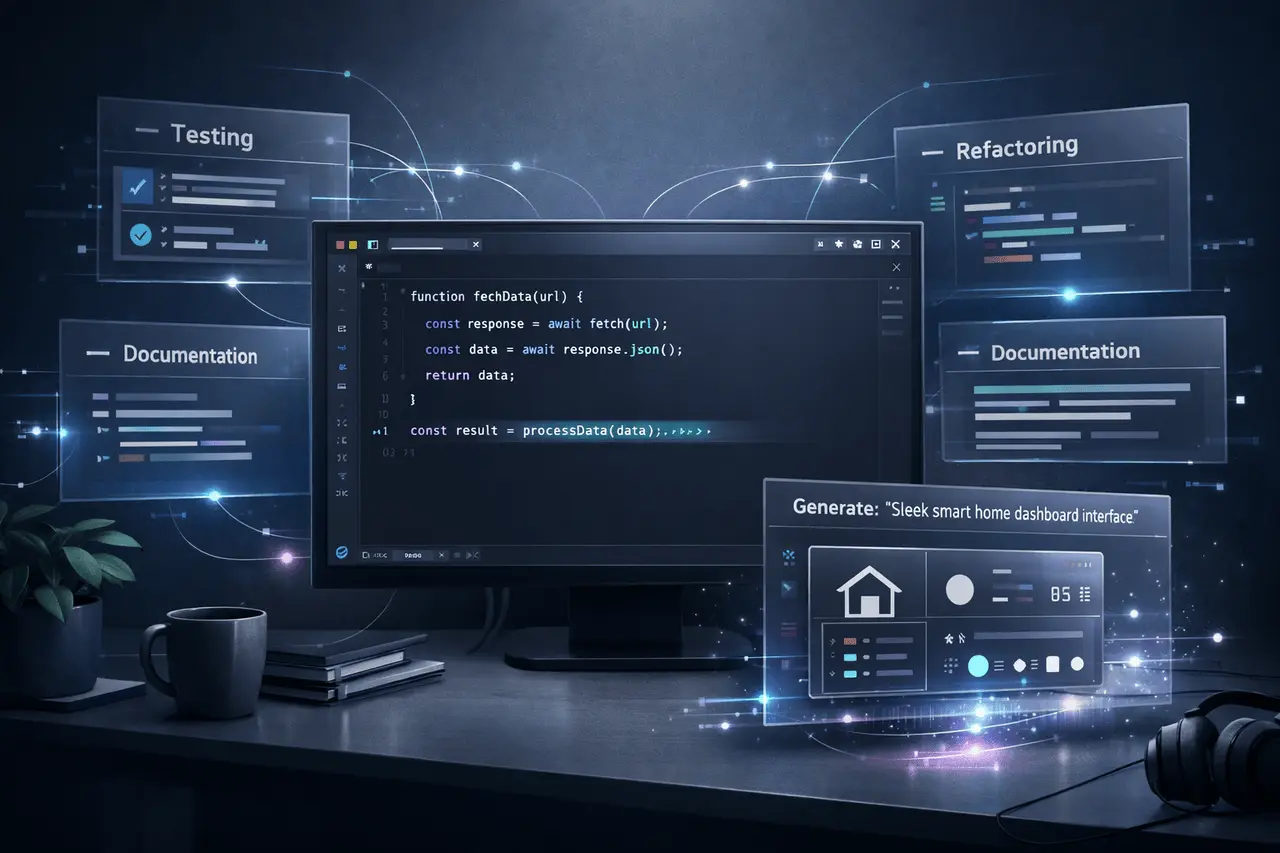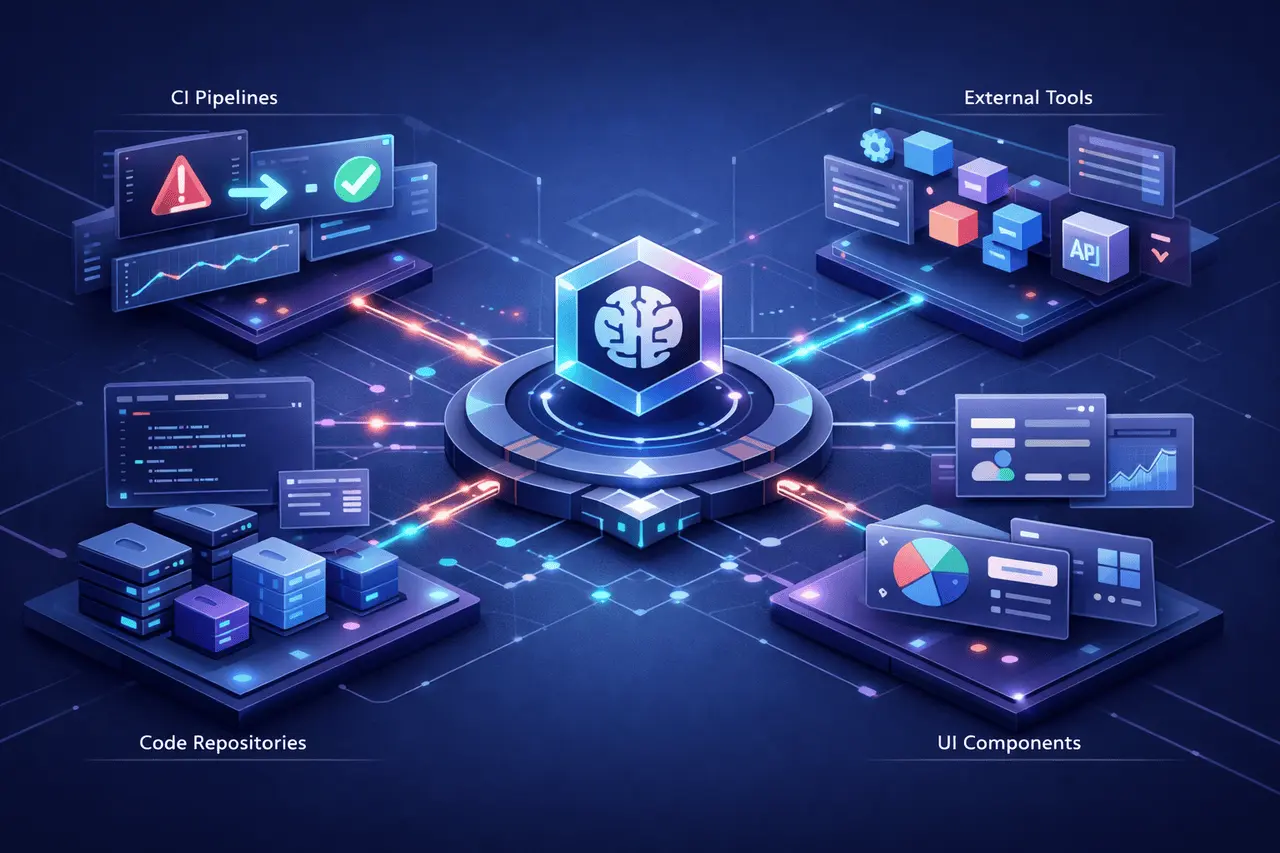

OpenAI has introduced Automations as well as customizable themes for the Codex application, extending the capabilities of the platform for developers who use AI-aided coding workflows. This update lets users automate recurring tasks in development, like monitoring of their repository and triage of issues, as well as allowing personalisation via importable themes for the interface.
The Codex app Automations feature in the app, which is now available to all users, allows developers to set up AI-powered workflows that can be adjusted to suit parameters and levels of reasoning. This update is part of a larger trend in the tools used by developers that are integrating AI automation and agents directly into code environments to speed up routine tasks and boost the productivity of software development.
OpenAI Codex App Automations: What’s New
The most notable highlight of the new version is that it will allow the widespread accessibility of Automations within the Codex application.
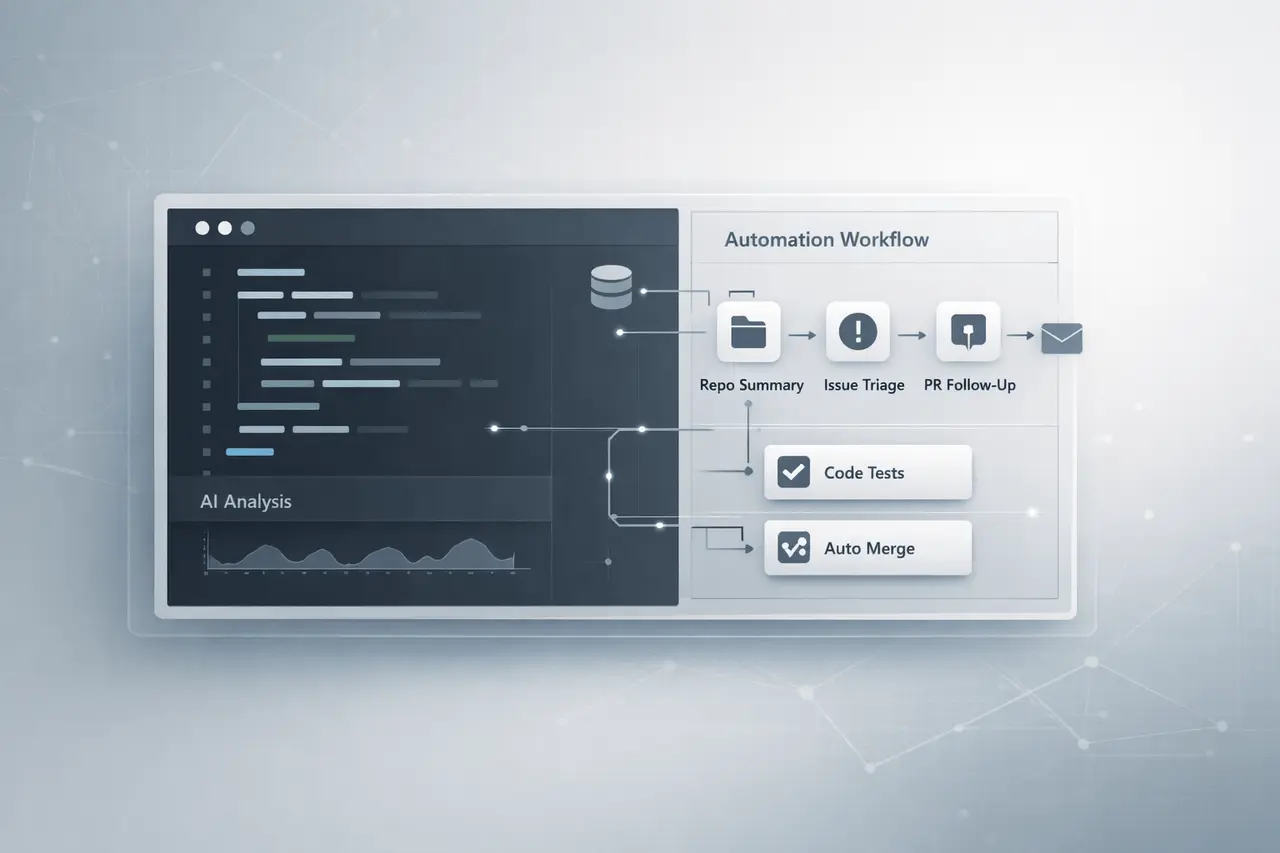
Automations let developers develop workflows that are reusable and can run on autopilot against repositories, which allows AI to take over repetitive tasks that are typically handled manually.
Key capabilities include:
- Model choice: Developers have the option of choosing which AI model will execute the process.
- Level of reasoning that can be adjusted: Allows control over how thoroughly the model considers the tasks.
- Options for branch handling: Automated branches may be run in a new worktree or a branch that is already in place.
- Workflow templates that can be reused: Developers can reuse and share automation configurations.
These workflows function to act as light AI agents to develop operations capable of performing well-defined tasks with no constant supervision by humans.
Common Automation Use Cases
Based on the new version, the Automations can support many regular development workflows, such as:
- Daily briefings for the repository
- Issue triage
- Pull request comment follow-ups
- Codebase summaries
- Tasks for maintenance for vast projects
For teams that manage large repositories or open source projects, these tools will significantly cut down on the time spent managing the repository routinely.
Personalised Themes Come to the Codex App
Alongside the automation abilities, OpenAI has added the ability to customise themes for the Codex app’s user interface.
Developers can now:
- Import themes designed by other people
- Create the theme of their choice
- Change the appearance of the code environment.
Although it is primarily cosmetic, the feature is in line with the standard requirements of developer tools, in which customised development environments can improve accessibility and comfort throughout long sessions of coding.
Theme sharing also opens the way to community-driven customisation ecosystems based on Codex. Codex platforms.
How Codex Fits Into OpenAI’s Developer Ecosystem?
The Codex application is built on the foundation of OpenAI Codex, the AI platform developed by the company to convert natural languages into code that can be executed.
Codex has been the basis for various developer tools, such as integrations with code editors and AI software for programming.
Key features of systems based on Codex include:
- Natural language-to-code generation
- Coding explanation as well as refining
- Automated debugging assistance
- codebase navigator and summary
In introducing Automations directly within the Codex application, OpenAI is moving toward the idea of having AI programming assistants transform into workflow automation agents that are capable of managing various elements of the development process.
This is a reflection of the broader changes happening throughout the AI tooling market, which is where companies are developing AI-based development environments instead of basic code-completion tools.
Automations vs Traditional Developer Workflows
The latest automation feature is a step away towards a move from simple AI aid towards active AI-driven processes.
| Capability | Traditional Workflow | Codex App Automations |
|---|---|---|
| Issue triage | Manual review by maintainers | AI reviews and categorizes issues |
| Repo summaries | Manual analysis | Automated daily summaries |
| PR follow-ups | Maintainers track comments | AI monitors and responds |
| Task repetition | Scripts or manual processes | Reusable AI workflow templates |
This method is a way to introduce agent-like behaviour into tools for developers, in which the AI constantly monitors repositories and executes tasks that are structured automatically.
Why AI Automations Are Becoming Essential in Developer Tools?
The launch of the Codex application automation reflects an overall trend throughout the industry of software.
The modern development team are increasingly dependent on:
- AI copilots
- AI code reviewers
- Artificial Intelligence-powered Testing Tools
- Automated analysis of repositories
However, the majority of AI assistants are active, reacting only when asked.
Automations go beyond this model, permitting developers to create permanent AI-based workflows which run on their own.
This model is especially useful for:
- Large open-source projects
- Distributed engineering teams
- Continuous integration pipelines
- Monitoring and maintenance for DevOps
As repositories become increasingly complicated and complex, AI-powered automation tools could be essential to maintain productivity.
Potential Limitations and Considerations
While the ability to automate offers new possibilities, many issues remain.
Oversight Requirements
Automated workflows that interact with code repositories need supervision by humans in order to avoid accidental modifications.
Developers must ensure:
- Proper workflow configuration
- Safe branch management
- Revision of Artificial-generated modifications
Model Selection Trade-offs
The capability to select the models to use and levels of reasoning offers the flexibility, but also introduces a degree of complexity.
Higher levels of reasoning could boost results, but it could also mean:
- Runtime
- Resource usage
- API costs
Achieving these goals is crucial for teams that are working on the automation of AI workflows.
The Future of AI Coding Agents
Its Codex application update indicates OpenAI is gradually directing its developer tools towards AI-powered programming agents instead of basic assistance tools.
The next iterations of automation features could include:
- Fully self-contained code Maintenance agents
- Continuous monitoring of the repository
- Artificially-generated pull requests
- Security updates that are automated and automatic
These capabilities may change the way developers work with code and shift more operation-related tasks onto the AI automated layers that are integrated into the development platform.
My Final Thoughts
The launch of Codex App Automations and custom themes is a major milestone in the evolving tooling for developers of OpenAI’s strategy. With the ability to automate AI workflows inside the coding environment, OpenAI is moving beyond the traditional code assistants towards AI-driven development.
As software projects grow larger and more complicated, tools that integrate AI analysis, automation, and knowledge of the repository could play a more and more significant role in the development process’s efficiency. Codex’s Codex app update suggests an indication that programming’s future may be more than just AI copilots, as well as AI agents who are actively managing various aspects of the development process.
FAQs
1. What exactly is the Codex application? Automations feature?
Codex application Automations permit developers to build automated workflows powered by AI that can automatically complete recurring activities, such as the triage of issues, summary of the repository and follow-ups on pull requests.
2. Are developers able to modify the Codex application’s interface?
Yes. The latest update includes theme customisation. Users are able to share, import and then apply themes that are custom to fit the environment for coding.
3. What kind of tasks can Codex Automations accomplish?
Automations can manage tasks such as:
- Daily briefings on the repository
- Issue triage
- PR comment follow-ups
- Codebase summaries
- Recurring development workflows
4. Do Codex Automations work on certain AI models?
Yes. Developers can choose their preferred AI model and the level of reasoning that is used in an automation workflow, which gives greater control over the performance and analysis depth.
5. What makes Codex different from standard AI coders?
Contrary to traditional AI assistants, which respond to requests, Codex Automations run pre-defined processes automatically that allow AI to take on repetitive development tasks without the need for manual prompts.
6. Are Codex Automations appropriate for teams?
Yes. Team members can use workflows using automation templates, which makes it simpler to implement consistent automation processes across repositories and projects.
Also Read –
Robinhood Cortex Digests: AI Market Insights for Traders