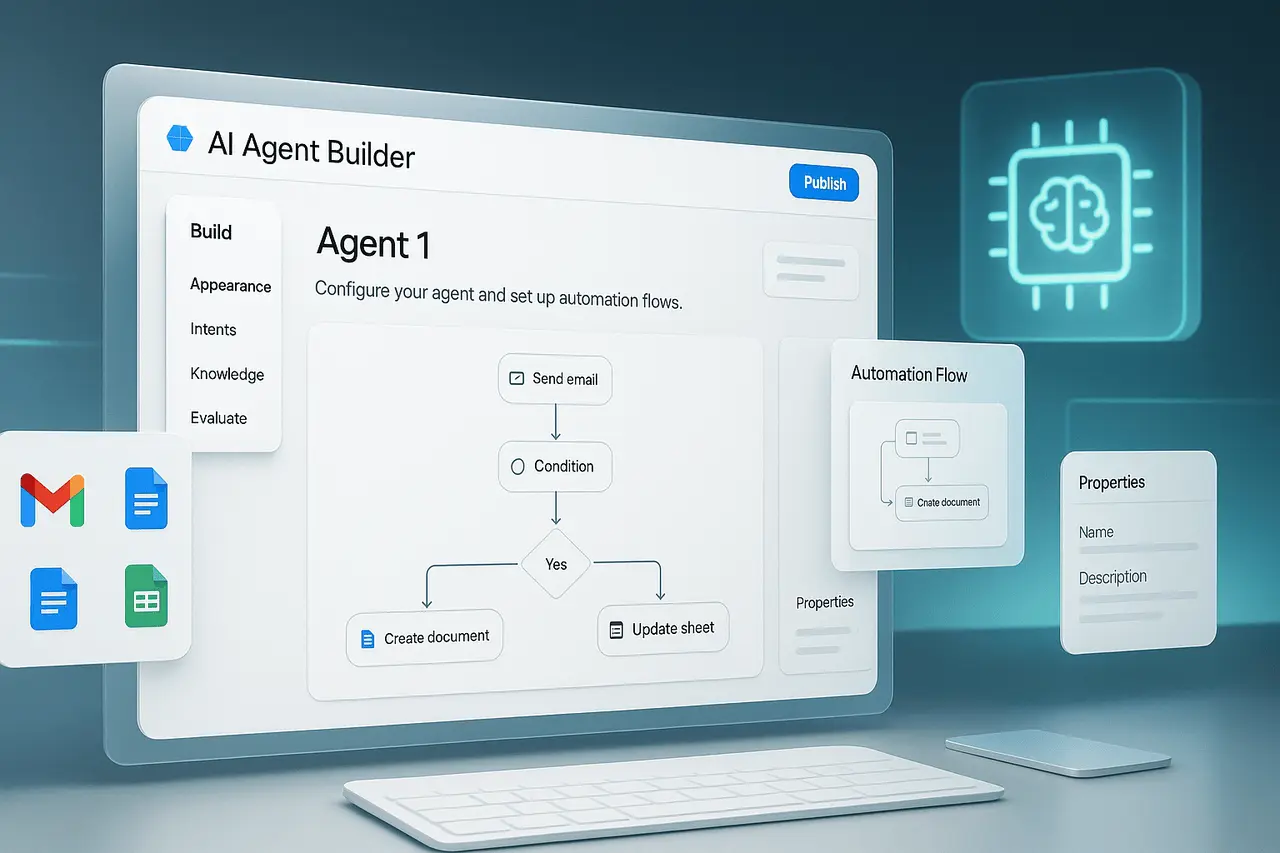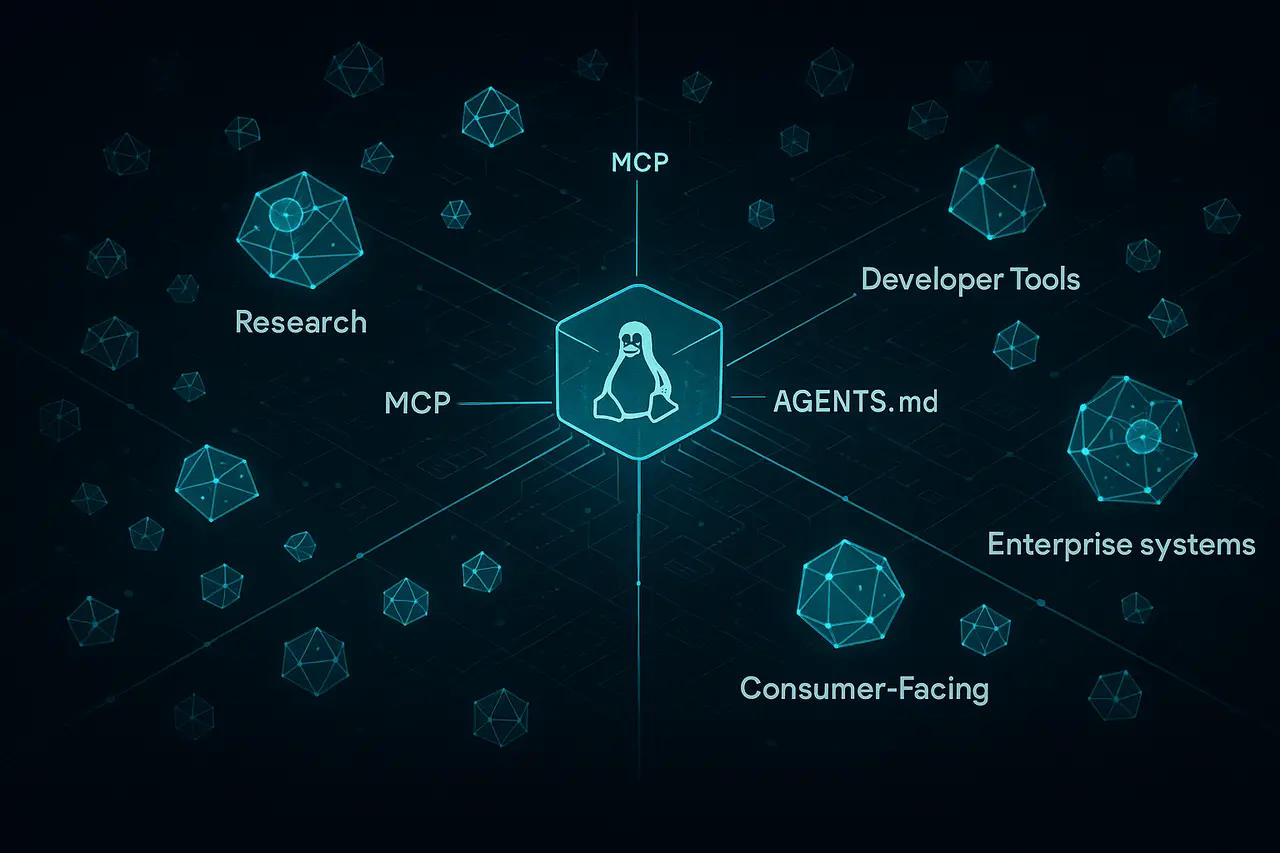


Alibaba OpenSandbox is an open-source, production-grade sandbox platform designed to execute untrusted AI agent software at large scale securely. As AI agents move beyond basic text to autonomous systems that create code, automate browsing, and communicate within a development environment, the need for secure execution environments has become essential.
Created in partnership with Alibaba, OpenSandbox provides unified APIs for Docker, Kubernetes runtimes, and browser automation. It also provides VS Code desktop environments and network isolation, all specifically designed for the demands of agents. It bridges the gap between the power of AI agents and the necessary infrastructure to run them safely in production.
What Is Alibaba OpenSandbox?
Alibaba OpenSandbox is an open-source sandbox system designed to run safe AI agent software. It was developed and published by Alibaba. The platform offers a complete stack execution environment designed for the latest AI agents, including coding agents, GUI agents, evaluation agents, and automation workflows.
In terms of practicality, Alibaba OpenSandbox enables developers to run AI-generated or third-party agent programs in secure, isolated environments without risking the integrity of the system, data exposure, or the stability of the infrastructure.
As AI agents grow more autonomous and begin to interact with filesystems, browsers, APIs, and development environments, Sandboxing has become an important infrastructure layer. OpenSandbox solves this issue with specifically designed runtime architectures and integrated APIs for multiple languages’ SDKs.
Why AI Agent Sandboxing Matters?
Modern AI agents can do more than just generate text. They:
- Code to write and execute
- Automate browser actions
- Modify local files
- Call APIs from outside
- Run evaluation pipelines
This capability is expanded to include operational and security risks, particularly when code is generated dynamically or derived from untrusted sources.
A production-grade AI agent sandbox ensures:
- Separation from hosts systems
- Monitoring and control of the network
- Resource limits (CPU, memory, storage)
- Controlled access to files
- Environments for determining evaluation
Without sandboxing, it is hard to defend against security threats in corporate configurations.
Core Architecture of Alibaba OpenSandbox
Alibaba OpenSandbox is not a simple utility; it is intended to be a complete stack platform for agent execution.
Unified APIs Across Multi-Language SDKs
Developers can interact with OpenSandbox via consistent APIs compatible with all supported programming environments. This eases integration for teams working on:
- AI coding assistants
- Evaluation frameworks
- Autonomous development agents
- Workflow automation systems
Unified interfaces can also facilitate scaling from experiments to production.
Docker and Kubernetes Runtimes Built for Agents
OpenSandbox supports isolation via Docker containers and Kubernetes.
This allows:
- Horizontal scaling workloads for agents
- Resource isolation per task
- Infrastructure-level control in cloud-native environments
- Integration into CI/CD pipelines
Here is a basic analysis of the running-time choices.
Runtime Comparison Table
| Feature | Docker Runtime | Kubernetes Runtime |
|---|---|---|
| Isolation | Container-level | Pod-level with orchestration |
| Scalability | Manual or scripted | Automated horizontal scaling |
| Production readiness | Suitable for small-scale deployments | Designed for enterprise-scale workloads |
| Resource management | Per container limits | Cluster-wide scheduling and quotas |
| Best use case | Local development, testing | Distributed agent systems |
The best use case is local development and testing of Distributed Agent systems.
For businesses that deploy multiple agents simultaneously, Kubernetes integration becomes especially vital.
Built-In Capabilities Beyond Code Execution
Alibaba OpenSandbox goes beyond simple container execution. It has capabilities specifically designed for AI agents.
Browser Automation
Agents are able communicate with web interfaces within a safe, isolated and controlled environment. This allows:
- Web data extraction
- Testing based on UI
- Research tasks that are automated
- Form submission workflows
Browser-level isolation blocks malicious scripts from infecting the host system.
VS Code Desktop Environment
OpenSandbox provides a development environment that resembles a desktop and integrates with VS Code. This is especially useful for coders who:
- Edit files
- Run build commands
- Execute test suites
- Refactor codebases
The user experience mirrors developers’ actual workflows but remains completely isolated.
Network Isolation and Control
Isolation at the network level is an essential element of executing a safe agent.
OpenSandbox provides:
- Access to a controlled outbound connection on the network
- Configurable limitations
- Separation from sensitive internal systems
It ensures that AI agents cannot access services they do not intend to use or leak information.
Use Cases for Alibaba OpenSandbox
Alibaba OpenSandbox is designed to work with various AI agents.
Primary Use Cases
| Use Case | Description | Benefit |
|---|---|---|
| Coding Agents | Autonomous code generation and execution | Safe code testing and validation |
| GUI Agents | UI-based automation tasks | Isolated browser execution |
| Evaluation Agents | Model benchmarking and testing | Deterministic execution environments |
| Research Agents | Data retrieval and automation | Controlled external interactions |
| CI/CD Integration | Automated code testing workflows | Secure runtime validation |
Because it is a full-stack setting, OpenSandbox can be integrated into larger AI infrastructure stacks.
How Alibaba OpenSandbox Works in Practice?
At a larger scale, the flow of execution typically follows the following pattern:
- An AI agent generates or receives executable code.
- It is then sent to OpenSandbox via the unified APIs.
- The platform offers an isolated container, also known as a Kubernetes pod.
- The agent is executed within the Sandbox.
- outputs will be returned while maintaining the system’s isolation.
This architecture guarantees:
- Host systems remain protected
- Execution is reproducible
- Failures are included
- Telemetry and log data can be recorded
For companies to deploy automated AI workflows, this organised execution model is vital.
Benefits of Alibaba OpenSandbox
1. Production-Grade Infrastructure
In contrast to new sandbox instruments, OpenSandbox is built for real-world deployment scenarios. This includes enterprises and workloads.
2. Open Source Transparency
Being open source enables:
- Code auditing
- The community’s contributions
- Verification of security
- Custom extensions
Transparency is particularly important for infrastructures that handle executions that are not trusted.
3. Agent-Focused Design
Traditional tools for orchestrating containers weren’t specifically designed for AI agents. OpenSandbox is a tool that addresses specific requirements for agents, such as:
- Interactive environments
- Browser automation
- Developer-style workspaces
4. Enterprise-Ready Scalability
Kubernetes integration can handle large-scale deployments in which thousands of agents may require orchestration.
Limitations and Practical Considerations
While extremely powerful, using it with Alibaba OpenSandbox will require:
- Container infrastructure expertise
- Kubernetes knowledge for large-scale environments
- Proper resource planning
- Ongoing security configuration
Organisations must also:
- Define an access policy for networks
- Set resource quotas
- Monitor execution logs
- Integration of authentication, access control and authorisation
Sandboxes don’t completely remove risk, but they reduce and manage it.
Alibaba’s Strategic Move in AI Infrastructure
In releasing OpenSandbox as an open source software, Alibaba strengthens its position in AI infrastructure tools. This move is a sign of recognition that the safe execution of agents is the foundation for:
- Autonomous software development
- AI-assisted DevOps
- Enterprise AI deployment
- Multi-agent systems
As AI models become autonomous agents, the safety of execution is just as important as their capabilities.
OpenSandbox solves this problem because they are not directly compatible with each other.
My Final Thoughts
Alibaba OpenSandbox represents a significant improvement in the infrastructure for AI agents. As autonomous systems continue to generate and run code, secure sandboxing is a must.
By offering a production-grade, free-of-cost AI agent sandbox that includes Docker and Kubernetes runtimes, automated browsers, VS Code integration, and network isolation, Alibaba provides developers with the essential layer needed to ensure the security of agent deployment.
In the future, AI can be described as agentic. Platforms such as Alibaba OpenSandbox ensure that autonomy is combined with security, scalability, and operational controls, enabling accountable AI execution at scale.
Frequently Asked Questions (FAQs)
1. What exactly is Alibaba OpenSandbox used for?
Alibaba OpenSandbox can be used to securely run untrusted AI agent programs in isolated environments by using Docker or Kubernetes timers.
2. Is Alibaba OpenSandbox open source?
Yes. OpenSandbox is an open-source project that allows organisations and developers to audit, extend, and deploy it themselves.
3. Does OpenSandbox support Kubernetes?
Yes. It can run Kubernetes-based workloads, allowing for scalable automation of AI agent workloads in production environments.
4. Can OpenSandbox be used to run coding agents as well as browser agents?
Yes. It was designed specifically to work with coding agents, GUI agents, web automation, evaluation pipelines and other similar applications.
5. Why is sandboxing so important to AI agents?
AI agents could run dynamically generated or untrusted software. Sandboxing blocks execution, which can lead to a security breach, system compromise, or data exposure.
6. Is OpenSandbox suitable for enterprise deployment?
Yes. It comes with Docker, Kubernetes support, network isolation, and unified APIs; it’s specifically designed for production-grade deployments.
Also Read –
Alibaba Cloud Database Platform for Enterprise Cloud & AI Workloads