
The introduction of Vibecode Android marks a major development opportunity for developers working on cross-platform applications. Before this, the focus was on iOS apps; Vibecode now enables users to test their applications on Android, supports Play Store submission, and completes an Android application rollout in the near future.
Startups and developers who want to expand their reach, Vibecode Android removes one of the biggest obstacles to app development: managing different ecosystems. Through Android support, creators can get closer to truly cross-platform app development while retaining efficient processes.
What Is Vibecode Android?
Vibecode Android is the Android extension of the Vibecode platform, enabling users to build and manage their apps via the web-based interface. The new capabilities allow:
- Test applications for Android devices
- Making preparations for the Play Store submission
- Future-proof Android app functionality, with feature parity
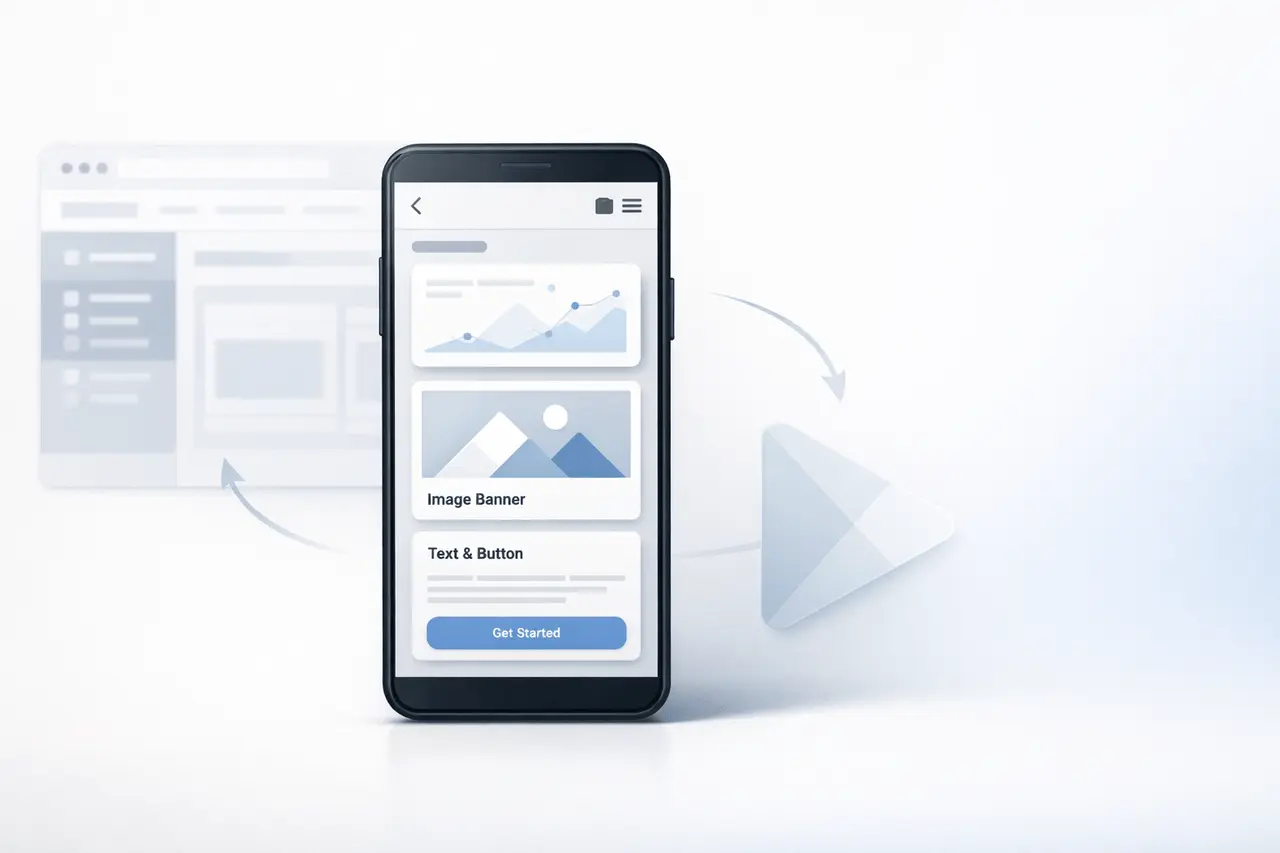
When an app is built using Vibecode’s web-based version, it will automatically appear in the app’s interface. Updates made via the web are displayed in real time, reducing deployment friction.
The synchronisation model aligns with current development practices, which emphasise speed, iteration, and centralised control.
Why Vibecode Android Matters?
Android has the largest share of the world’s smartphone market. For developers, integrating Android isn’t a choice; it’s vital.
In addition, the extension to Android, Vibecode provides:
- Broader audience reach
- Multi-platform management that is streamlined
- Reduced development overhead
- Speedier release cycles
For founders, developers, and indie developers, as well as product team members, it means faster validation and greater scalability without separate workflows or codebases.
Key Features of Vibecode Android
Current Capabilities
At launch, Vibecode Android allows:
- Test apps for Android devices
- Preparing apps for the Play Store distribution
- Apps created by web developers within Android’s environment
Coming Soon Features
According to announcements from the official, forthcoming upgrades will comprise:
- Full compatibility in conjunction with an iOS app
- Ability to create apps from scratch on Android
- Edit existing Android apps in Android
- Apps can be shipped directly to the Play Store
- An extended feature set that goes beyond the current testing support
The updates aim to provide Android capabilities in line with the iOS experience.
Feature Comparison Table
Vibecode iOS vs Vibecode Android
| Feature | Vibecode iOS | Vibecode Android (Current) | Vibecode Android (Coming Soon) |
|---|---|---|---|
| Create new app | Yes | No | Yes |
| Edit app | Yes | Limited | Yes |
| Test on device | Yes | Yes | Yes |
| Automatic web sync | Yes | Yes | Yes |
| Submit to App Store | Yes | Play Store submission coming | Yes |
| Full feature parity | Yes | Partial | Planned |
This roadmap indicates a shift towards the unified platform capabilities for the two ecosystems.
How Vibecode Android Works?
Vibecode follows a centralised web-first development approach.
1. Web-Based Creation
Developers design apps and manage them through the Vibecode Web interface.
2. Automatic Sync
Apps will be automatically available in the Android app environment.
3. Real-Time Updates
The changes you make to the internet are reflected immediately on the Android application.
4. Play Store Deployment (Upcoming)
The next update will enable direct shipping to the Google Play Store.
This design reduces the steps involved in deployment and also eliminates redundant build pipelines.
Use Cases by Industry
| Industry | Use Case | Benefit |
|---|---|---|
| Startups | Rapid MVP launch | Faster validation |
| E-commerce | Mobile storefront apps | Wider Android reach |
| SaaS Platforms | Companion mobile apps | Cross-platform consistency |
| Content Creators | Branded apps | Simplified deployment |
| Agencies | Client app delivery | Streamlined workflow |
Vibecode Android’s growth enables these applications to be more practical in global markets where Android is the most popular OS.
Benefits of Vibecode Android
1. Cross-Platform Scalability
The ability to support iOS and Android simultaneously in a single platform simplifies. Developers can focus on improving their products rather than managing specific platforms.
2. Faster Iteration
Real-time synchronisation between the websites and Android helps to reduce feedback loops. Updates happen immediately rather than being release-cycle-dependent.
3. Simplified Distribution
In addition, with Play Store submission support coming shortly, Vibecode users will have an easier Android deployment experience, similar to iOS processes.
4. Reduced Development Overhead
Managing separate workflows or teams for Android and iOS can consume significant resources. Vibecode Android lowers that operational burden.
Limitations and Considerations
Although Vibecode Android introduces important capabilities, some features are still under test.
Current limitations include:
- The editing features are limited in comparison to iOS
- Play Store shipping is not yet fully live
- Full parity pending upcoming updates
Developers planning massive launches should be aware of the official release dates to ensure deployment schedules align with the official release timelines.
Vibecode Android and the Play Store
The shipping process to the Play Store must comply with Google’s policies, including app security, content guidelines, and verification of developer accounts.
Vibecode’s forthcoming Play Store submission capability aims to make the process easier by integrating deployment into the platform’s workflow.
This integration could simplify manual packaging and configuration processes typically associated with Android publication.
Broader Trend: Unified App Development
Vibecode Android represents the wider change in the development of apps towards:
- Web-first architecture
- Real-time cloud syncing
- Cross-platform deployment
- Simplified distribution pipelines
Instead of creating applications separately for each ecosystem, modern tools aim to simplify the creation process and streamline platform switching.
While mobile usage continues to dominate internet traffic, applications that increase cross-platform reach remain useful.
Practical Considerations for Developers
Before adopting Vibecode Android, consider:
- Your market’s Android or iOS distribution
- Timeline for launch relative to rollout at full parity
- The need for advanced Android native modification
- Compliant requirements for Play Store submission
For teams focused on MVPs early, Android testing alone could greatly improve product-market validation.
For companies, in the meantime, waiting for feature parity could align better with their long-term deployment strategies.
My Final Thoughts
Vibecode Android represents a significant achievement in cross-platform app development. By enabling Android testing and preparing the application for Play Store submission, Vibecode is moving towards unifying mobile app deployment.
With complete feature parity on the roadmap, Vibecode Android is a simple solution for developers looking to improve efficiency across different ecosystems. Since Android continues to lead worldwide mobile usage, Vibecode Android enables developers to create, modify, and scale applications with fewer operational obstacles.
Developers who are focused on speed, reach, and central control, Vibecode Android signals an unmistakable step towards modern, cross-platform application delivery.
FAQs About Vibecode Android
1. What is Vibecode Android?
Vibecode Android is the Android extension of Vibecode. It is the Vibecode application development system that allows users to test and launch apps on the Play Store. Play Store.
2. Do I have to submit my app to the Play Store today?
Google Play Store submission support was confirmed as being available in the near future. Developers should keep track of the official updates to determine when they will be released.
3. Does Vibecode Android have full feature compatibility with iOS?
It’s not yet. Full compatibility, including the ability to create and edit apps directly on Android, is scheduled for future updates.
4. How can app syncing function between the web and Android?
Apps developed using Vibecode’s Vibecode web platform will automatically be available in the Android application. Updates made through the web will be reflected in the app promptly.
5. Are Vibecode Android suitable for startups?
Yes. It enables rapid MVP testing and broader market reach, especially in markets with a dominant Android presence.
6. Do I require different workflows to work with Android or iOS?
Vibecode’s mission is to lessen the gap between different platforms. As Android support grows, workflows become more unified.
Also Read –
0G Apollo Accelerator for Decentralized AI Builders