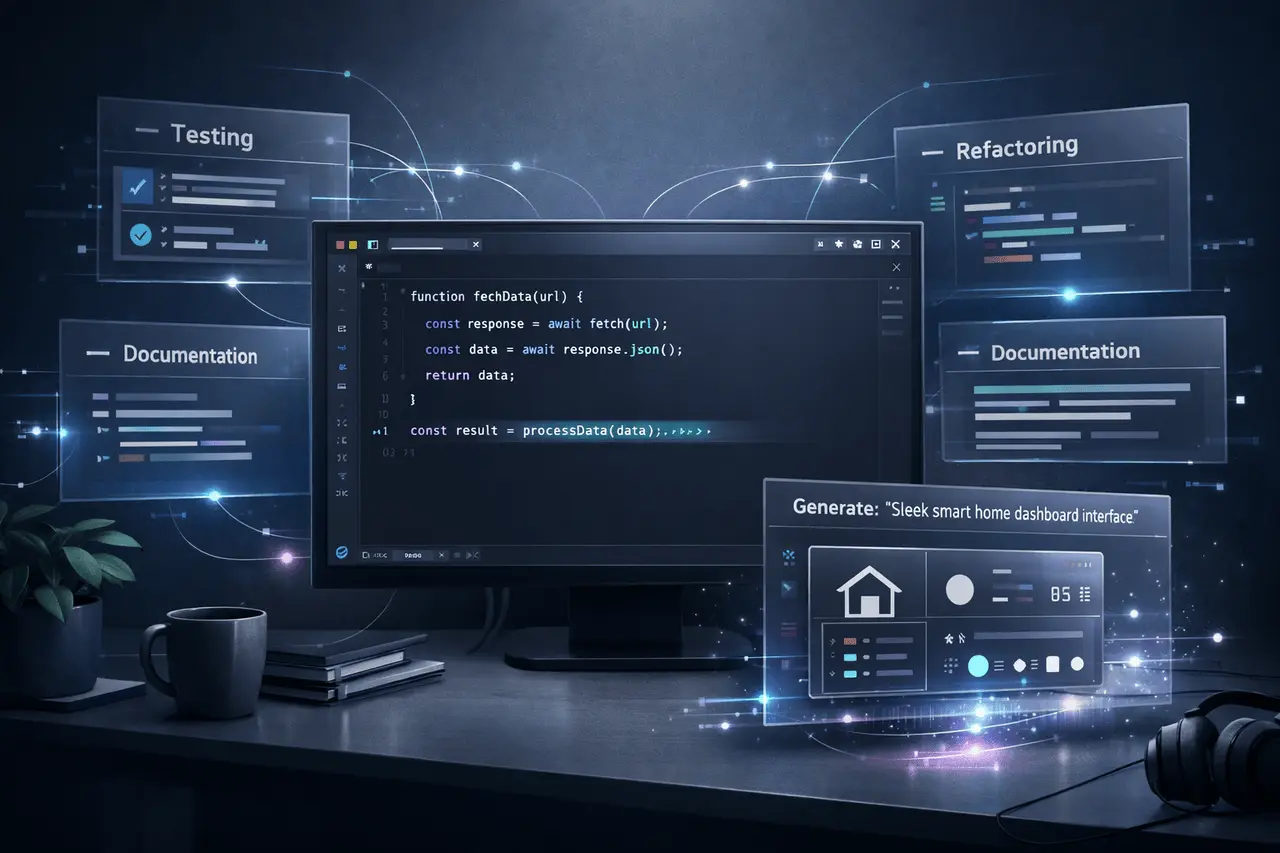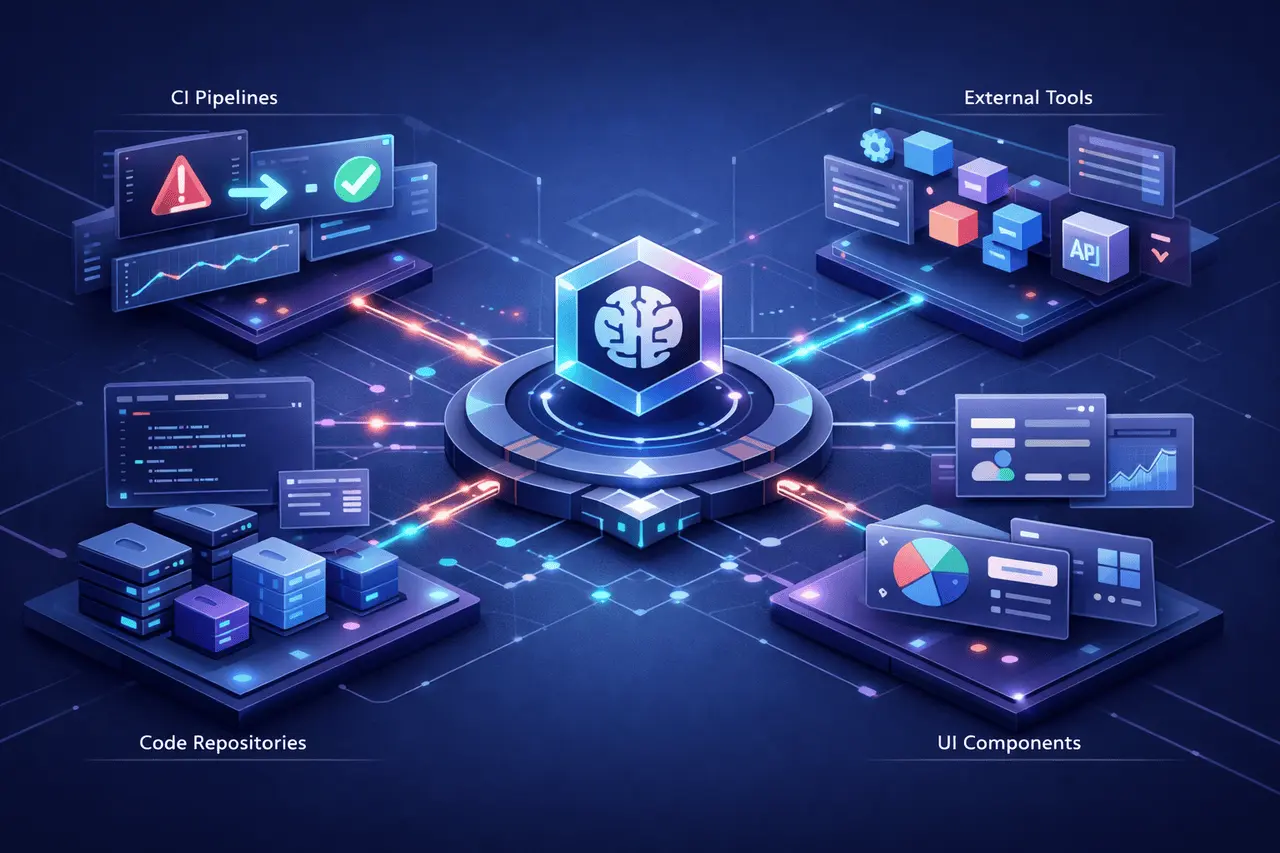

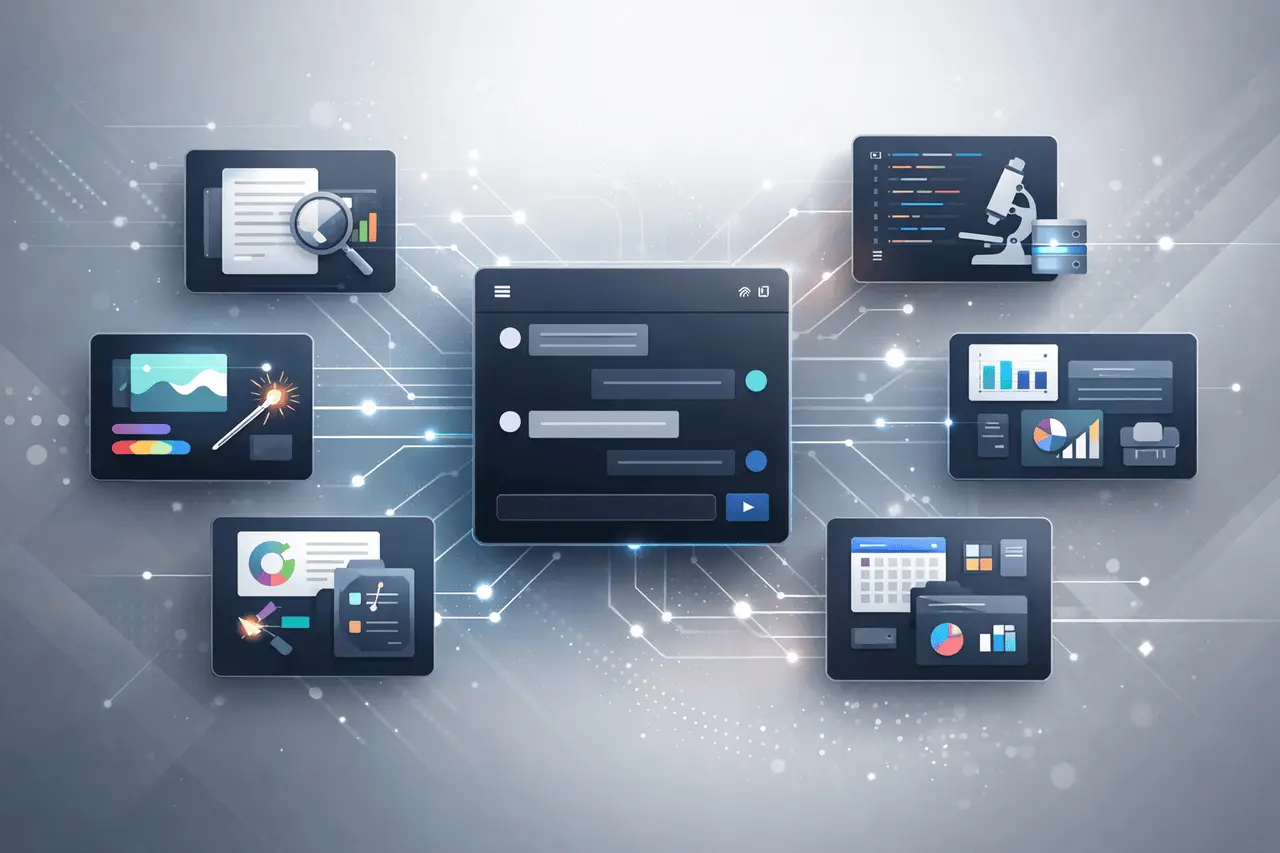
ChatGPT apps represent a major shift in how businesses and customers can benefit from chat-based AI. Instead of relying on one general-purpose AI, ChatGPT apps allow task-specific experiences that are built directly upon top of ChatGPT. As the community grows, ChatGPT apps are becoming an effective way to bundle workflow tools, automations, and other tools in an easy-to-use chat interface.
This article describes what ChatGPT applications are, why they’re essential, and how they operate and can provide real-world value, without speculation or assumptions about what is known.
What Are ChatGPT Apps?
ChatGPT applications are modular programs that are run in ChatGPT. They run within the ChatGPT environment. Each app has been designed for specific purposes, such as document analysis, assistance with coding research workflows, and and data transformation.
Contrary to the general chat experience, ChatGPT apps combine conversational input with a structured tool with predefined logic and integrations. This results in a specialized experience optimized for a particular task, rather than an open-ended conversation open to interpretation.
In terms of practicality, ChatGPT apps sit at the crossroads of AI assistants and lightweight programs.
Why ChatGPT Apps Matter?
ChatGPT applications are helpful because they reduce friction between intention and execution. In lieu of having to switch between various SaaS applications, customers are able to perform tasks within ChatGPT.
The main reasons why it is essential are:
- Consolidation of Workflow: Multiple steps can be handled with one interface
- Lower Learning Curve: Natural language replaces complex UIs
- Iteration Speed is Faster: Apps can be upgraded without retraining users.
- Scalability: The same app can serve both teams and individuals
For businesses, ChatGPT apps offer a new distribution channel to offer AI-powered features without the need for users to switch platforms completely.
How ChatGPT Apps Work?
At the highest scale, ChatGPT apps combine three elements:
Conversational Interface
Users communicate using natural language, similar to the standard ChatGPT conversations. The app detects the intent of the conversation and then routes actions accordingly.
Embedded Tools and Logic
Each application defines the tools it is able to make use of, for example, processing data files, file handling, or other external service calls. This restricts and directs the model’s behavior.
Controlled Output
Apps usually use templates, structured responses, or step-by-step flows. This ensures that outputs are stable and predictable for specific tasks.
All of these components transform ChatGPT from a basic assistance tool into a specifically designed application.
ChatGPT Apps vs Traditional AI Integrations
| Aspect | Traditional AI Integration | ChatGPT Apps |
|---|---|---|
| User interface | Separate dashboards or APIs | Native chat interface |
| Setup complexity | High (engineering-heavy) | Lower for end users |
| Context handling | Often fragmented | Persistent within chat |
| Discoverability | External websites or tools | Centralized within ChatGPT |
| Updates | Manual deployment cycles | Continuous app updates |
This comparison demonstrates the reasons ChatGPT applications are especially appealing to users and why they have been rapidly adopted.
Everyday Use Cases for ChatGPT Apps
ChatGPT applications are designed to work in a variety of scenarios.
Knowledge and Research
- Summarizing long documents
- Comparing datasets or reports
- Extracting structured information
Software and Technical Work
- Refactoring and code review
- Debugging assistance
- API documentation analysis
Business Operations
- Writing contracts or policies
- Analyzing spreadsheets
- Generating standardized reports
Creative and Content Tasks
- Editing and editing content and
- creating briefs and an outline
- Stabilizing brand tone
Use Cases by Industry
| Industry | Example ChatGPT App Use |
|---|---|
| Technology | Code analysis and architecture reviews |
| Legal | Contract review and clause comparison |
| Marketing | Campaign ideation and copy optimization |
| Finance | Financial document summarization |
| Education | Study guides and lesson planning |
These examples demonstrate how ChatGPT applications can be adapted to industry-specific workflows without creating customized interfaces for each industry.
Benefits of ChatGPT Apps
ChatGPT apps deliver several concrete advantages.
- Task Goal: Each application is designed to meet a particular goal
- Consistency: Structured logic reduces output variability
- Speed: Faster completion of repetitive tasks
- Accessibility: Users who are not technical can access advanced capabilities
Since apps are part of ChatGPT and ChatGPT, users enjoy the same experience across all applications.
Limitations and Challenges
Despite their claims, ChatGPT apps are not entirely free of restrictions.
- Scope Restrictions Limitations Scope: Apps only do what they’re created to accomplish
- Reliance on Rules of the Platform: Functionality is controlled by platform rules
- Limits of Context: Application contexts might not be in a context that they share.
- Verification is Needed: Outputs still require human approval for crucial decision-making
Knowing these limitations is crucial for an effective and responsible adoption.
Practical Considerations for Users and Businesses
Before using ChatGPT applications, users and businesses should think about:
- If the scope of the app corresponds to their real workflow
- The way sensitive data is handled inside the application
- If the need for human oversight is present
- How does the app fit with existing tools
ChatGPT applications work most effectively as speed accelerators for productivity, but not as autonomous decision makers.
Relationship to the Broader AI Ecosystem
ChatGPT applications complement other AI models and other technologies by focusing on user-friendliness and task-specificization. Instead of replacing conventional software, they serve as an advanced layer that simplifies interactions with tools and information.
This position views ChatGPT applications as a part of a broader trend towards conversational interfaces in consumer and business software.
My Final Thoughts
ChatGPT apps represent a significant improvement in conversational AI, transforming chat into a system for targeted, task-driven applications. By combining natural language interaction with logic-based programming, they can reduce work complexity and boost efficiency across industries.
As the ecosystem evolves, ChatGPT apps are likely to play an increasingly important role alongside AI models and other related technologies. Their value lies not in replacing human judgment but in streamlining how users interact with tools, information, and workflows within a unified, conversational environment.
FAQs About ChatGPT Apps
1. What is the primary function of ChatGPT applications?
ChatGPT applications are designed to provide specific functions for each task within ChatGPT and to make complex workflows more manageable through conversations.
2. Are ChatGPT applications different from regular ChatGPT chats?
Yes. ChatGPT apps come with predefined tools, logic, and restrictions that guide users towards specific outcomes.
3. Who will benefit the most from ChatGPT applications?
Teams, professionals, and even businesses that execute regular tasks that require knowledge and experience are the ones to benefit most.
4. Do ChatGPT apps replace conventional software tools?
No. They complement existing tools by easing access and use.
5. Are ChatGPT applications suitable for making critical decision-making?
They may assist in decision-making; humans must continuously review outputs to ensure accuracy and conformity.
Also Read –
Prism Workspace: GPT-Powered Research Collaboration Tool